
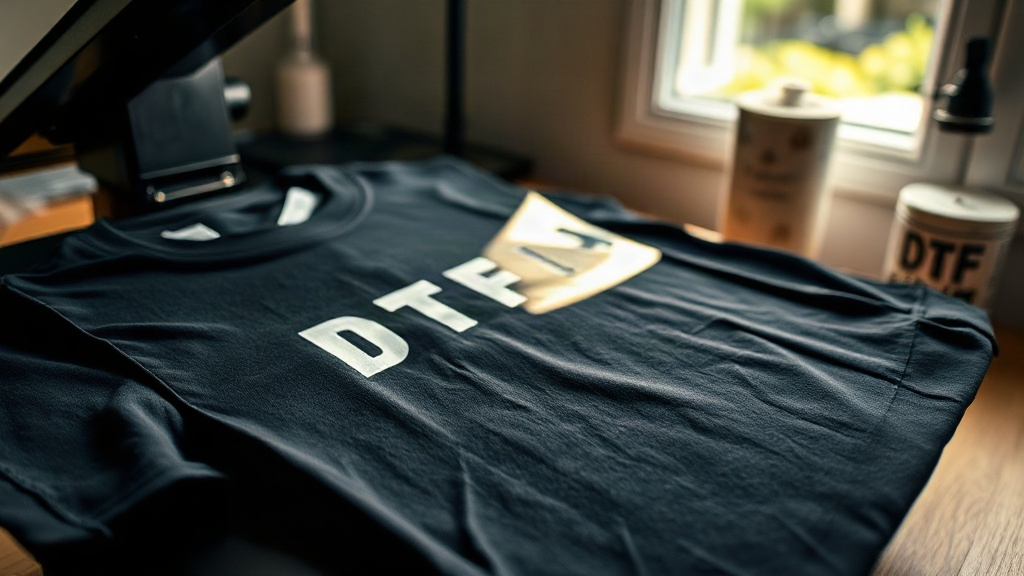
Imagine pressing a vibrant, full-color design onto a dark cotton t-shirt without worrying about dye migration or complicated pre-treatment. That's the promise of DTF transfers, and it's why so many custom apparel businesses have added them to their production line. But not all DTF transfers are created equal, and the difference between a print that survives fifty washes and one that cracks after five often comes down to understanding the materials and the process.
In this guide, I'll walk you through what DTF transfers actually are, what sets high-quality films apart, and how to apply them like a pro. I've spent years working with heat presses and transfer films, and I've made plenty of mistakes along the way. My goal here is to help you skip those mistakes and get consistent, professional results from your first press.
What Are DTF Transfers?
DTF stands for Direct to Film. The process involves printing a design onto a special PET film using water-based pigments, then applying a thermoplastic powder (often called hot-melt adhesive) to the wet ink. After the powder is shaken off and cured, you have a transfer that can be stored and later applied to fabric with a heat press.
Unlike DTG (Direct to Garment) or screen printing, DTF transfers don't require the fabric to be pre-treated, and they work on a huge range of materials: cotton, polyester, blends, canvas, and even some leathers. That versatility is a big reason why DTF has exploded in popularity among small shops and large decorators alike.
The DTF Printing Process
Here's a quick breakdown of how a DTF transfer is made:
- Design preparation: Your artwork is printed in reverse onto a PET film. White ink is typically printed as a base layer, followed by CMYK inks.
- Powder application: While the ink is still wet, the film passes through a powder shaker that coats it with hot-melt adhesive powder.
- Curing: The film goes through a curing oven or under a heat source to melt the powder, creating a flexible, adhesive layer.
- Transfer: The finished transfer is placed on the garment and pressed with a heat press to bond the adhesive to the fabric.
Each step matters, but the quality of the film and the powder often determines how well the transfer performs over time.
Why DTF Transfers Outperform Other Methods
There are several reasons why DTF has become a go-to decoration method:
- No pre-treatment: Save time and avoid the mess of spraying adhesives.
- Works on almost any fabric: From 100% cotton to 100% polyester, and even blends that usually cause dye migration issues.
- Full-color capability: Because the design is printed with CMYK + white, you can achieve photographic detail and gradients without the color limitations of screen printing.
- Durability: When applied correctly, DTF transfers can withstand dozens of wash cycles without fading or cracking.
- Cost-effective for short runs: No screens or setup fees, making it ideal for small batches and one-offs.
I've personally compared DTF side-by-side with DTG on a 50/50 blend tee. The DTF print held its color and stretch much better after 20 washes, while the DTG print had already started to fade.
Choosing Quality DTF Transfers
Not all DTF transfers are made the same. The film, ink, and powder all play a role in the final result. Here's what to look for:
Film Type
High-quality PET films are thin but strong, with a consistent coating that releases the ink cleanly. Cheaper films can cause the transfer to feel rubbery or leave residue on the garment. Look for films that are designed specifically for DTF and have a matte or glossy finish depending on your preference.
Ink and Powder
The ink should be vibrant and opaque, especially the white layer. A good white base allows the colors to pop on dark garments. The powder should be fine and evenly distributed; clumps or excess powder can lead to a rough texture or poor adhesion.
Transfer Size and Detail
DTF transfers can handle fine lines and small text, but extremely intricate designs may require a higher-resolution printer. If you're buying transfers, ask for samples to check detail reproduction.
How to Apply DTF Transfers Correctly
Application is where many people run into trouble. Follow these steps for a flawless finish:
- Preheat the garment: Press for 5-10 seconds to remove moisture and wrinkles. This also helps the adhesive bond better.
- Position the transfer: Place the transfer with the printed side facing up (the powder side touches the fabric). Use heat tape if needed to keep it in place.
- Press: Set your heat press to 300-325°F (150-160°C) with medium pressure for 10-15 seconds. Every press is different, so test with a scrap piece first.
- Peel: Wait a few seconds for the transfer to cool slightly, then peel the film off in a smooth, consistent motion. If the design lifts, press again for a few more seconds.
- Post-press (optional): For extra durability, cover the design with a Teflon sheet or parchment paper and press for another 5-10 seconds.
I recommend keeping a log of your settings for different fabrics. Cotton usually needs a bit more pressure than polyester, and blends fall somewhere in between.
Common Mistakes to Avoid
- Not preheating: Skipping this step can trap moisture and cause the transfer to peel.
- Too much pressure: This can flatten the design and push the adhesive into the fabric too deeply, leading to a stiff feel.
- Incorrect temperature: Too hot and the film may shrink or the ink may scorch; too cool and the adhesive won't activate.
- Peeling too soon or too late: Follow the manufacturer's recommendation for hot, warm, or cold peel. Most DTF transfers are cold peel, but always check.
- Washing too soon: Wait at least 24 hours before washing to allow the adhesive to fully cure.
Durability and Care
One of the biggest questions I get is: how long will DTF transfers last? With proper application and care, they can easily outlast the garment. Here are some tips to maximize longevity:
- Wash inside out in cold water.
- Avoid harsh detergents and bleach.
- Tumble dry low or hang dry.
- Do not iron directly on the print.
I've had customers report their DTF-printed shirts lasting over two years with regular wear and washing, which is impressive for any decoration method.
Frequently Asked Questions
Can DTF transfers be applied to polyester?
Yes, DTF transfers work well on polyester. However, because polyester is heat-sensitive, you should use a lower temperature (around 280-300°F) and test first to avoid scorching or dye migration. Some low-quality transfers may still cause dye migration on polyester, so it's important to use a high-quality transfer with a good white base.
How do I remove a DTF transfer if I make a mistake?
If you need to remove a DTF transfer, you can use a heat press or an iron with a pressing cloth. Apply heat and gently peel the transfer off while it's warm. Adhesive residue can be cleaned with a specialized adhesive remover or by pressing a piece of fabric over the area to lift the residue.
What is the difference between DTF and DTG?
DTG (Direct to Garment) prints directly onto the fabric, while DTF prints onto a film that is then transferred. DTF generally offers better durability on blends and dark colors, and it doesn't require pre-treatment. DTG can be more cost-effective for 100% cotton light-colored shirts, but DTF is more versatile.
How should I store unused DTF transfers?
Store DTF transfers in a cool, dry place away from direct sunlight. Keep them flat or rolled, not folded, to prevent creasing. Properly stored transfers can last for several months without losing adhesion quality.
Do I need a special printer to make DTF transfers?
Yes, you need a DTF printer that uses DTF inks and a powder shaker and curing oven. However, if you're not ready to invest in the equipment, you can buy pre-made DTF transfers from suppliers and apply them with a standard heat press.
DTF transfers have truly changed the game for custom apparel. Whether you're a hobbyist or a full-scale production shop, understanding the nuances of the process will help you deliver products that your customers love. If you're looking for reliable DTF transfers, check out the selection at DTF Pro Press. With the right supplies and a bit of practice, you'll be pressing like a pro in no time.