
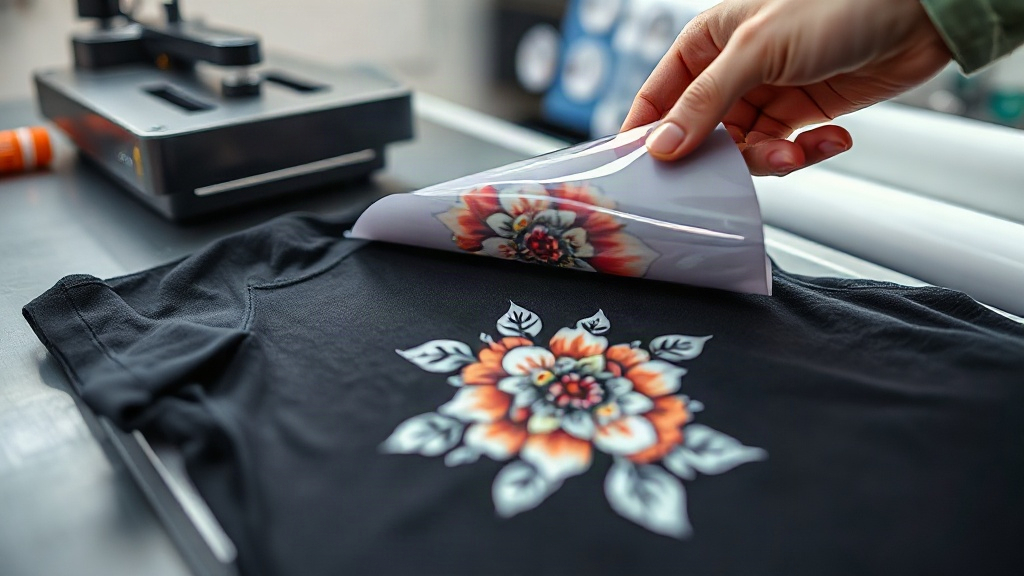
Imagine pressing a vibrant, full-color design onto a cotton t-shirt in under a minute, without worrying about cracking or fading after a few washes. That's the promise of DTF Transfers, a technology that has taken the custom apparel world by storm. Unlike traditional methods that require multiple steps or specific fabrics, DTF transfers offer a streamlined solution for creating durable, eye-catching prints on almost any material. In this guide, we'll dive deep into what DTF transfers are, how they work, and why they might be the perfect fit for your next project.
What Are DTF Transfers?
DTF stands for Direct to Film. It's a printing method where your design is printed onto a special film using a digital printer with pigment-based inks. A powdered hot-melt adhesive is then applied to the wet ink, and the film is cured. The result is a transfer that can be heat-pressed onto garments. The magic lies in the adhesive: it bonds the ink to the fabric, creating a strong, flexible bond that withstands washing and stretching.
Unlike DTG (Direct to Garment) printing, which prints directly onto the fabric, DTF transfers are printed separately and then applied. This decoupling offers several advantages, such as the ability to print on a wide range of fabrics, including cotton, polyester, blends, and even leather. It also means you can produce transfers in bulk and apply them on demand, saving time and reducing waste.
How Do DTF Transfers Work?
The process involves four key steps: printing, powdering, curing, and pressing. Let's break it down.
Step 1: Printing
A digital printer equipped with DTF inks prints your design onto a PET film. The inks are typically CMYK plus white, allowing for vibrant colors and opacity on dark fabrics. The white ink acts as a base, ensuring the colors pop even on black shirts.
Step 2: Powdering
While the ink is still wet, a fine powder adhesive is sprinkled over the print. The powder sticks to the ink and is then shaken off, leaving a thin, even layer. This adhesive is crucial for bonding the transfer to the fabric.
Step 3: Curing
The film is then heated to melt the powder, creating a smooth, gel-like layer. This step also dries the ink. Proper curing is essential for durability; under-cured transfers may peel, while over-curing can cause the film to become brittle.
Step 4: Heat Pressing
Finally, the transfer is placed on the garment and pressed with a heat press. The heat and pressure activate the adhesive, bonding the design to the fabric. After pressing, the film is peeled away (hot or cold peel, depending on the film type), leaving the design behind.
Why Choose DTF Transfers?
DTF transfers have gained popularity for good reason. Here are some compelling benefits:
- Versatility: Works on cotton, polyester, blends, nylon, leather, and more. No need for pre-treatment.
- Durability: The adhesive bonds strongly to the fabric, resisting cracking, peeling, and fading even after multiple washes.
- Vibrant Colors: With white ink as a base, colors remain bright and opaque on dark garments.
- Fine Details: DTF can reproduce intricate designs with gradients and fine lines, which are challenging for other methods.
- Cost-Effective for Small Runs: No minimum order quantity, making it ideal for small businesses and personalized items.
- Eco-Friendly: Water-based inks and no need for chemical pre-treatments reduce environmental impact.
These advantages make DTF transfers a go-to choice for custom t-shirts, hoodies, tote bags, and more.
Applications of DTF Transfers
From custom apparel for events to personalized gifts, DTF transfers are incredibly versatile. They are widely used in:
- Custom T-Shirts and Hoodies: Perfect for small businesses, sports teams, and events.
- Corporate Uniforms: Durable prints that withstand frequent washing.
- Fashion and Boutique Clothing: High-quality prints for niche brands.
- Promotional Items: Tote bags, caps, and more.
- Home Decor: Cushion covers, aprons, and more.
If you can heat press it, you can likely DTF it.
DTF vs. Other Printing Methods
How does DTF stack up against DTG, screen printing, and vinyl? Let's compare.
DTF vs. DTG
DTG prints directly onto the garment, which limits it mostly to cotton. It requires pre-treatment, and the colors may not be as vibrant on dark shirts. DTF, on the other hand, works on almost any fabric, needs no pre-treatment, and produces more durable prints. However, DTG can be more cost-effective for large runs on cotton.
DTF vs. Screen Printing
Screen printing is cost-effective for large orders but requires setup for each color, making it expensive for small runs with many colors. DTF excels at full-color designs without setup costs, making it ideal for small batches and intricate artwork. Screen printing may offer a softer feel for large solid areas, but DTF has improved significantly in feel and stretch.
DTF vs. Vinyl
Vinyl is great for simple, single-color designs but cannot handle complex images. DTF handles full-color graphics with ease and offers better durability and stretch. Vinyl may be cheaper for very basic designs, but DTF wins for anything detailed.
Tips for Successful DTF Transfer Application
To get the best results, follow these guidelines:
- Choose the Right Film: Not all DTF films are equal. Select a film compatible with your printer and ink.
- Control Moisture: Fabrics should be dry and lint-free. Pre-press garments to remove moisture.
- Adjust Pressure and Temperature: Typically, 300-325°F for 10-15 seconds with medium-heavy pressure. Always test with your specific setup.
- Peel Correctly: Some films require hot peel, others cold. Follow the manufacturer's instructions.
- Post-Press for Durability: A second press with a Teflon sheet for 5-10 seconds can improve washability.
- Wash Inside Out: Advise customers to wash inside out in cold water and avoid bleach to prolong the life of the print.
These simple steps can make a big difference in the quality and longevity of your transfers.
Common Challenges and How to Overcome Them
Even with the best practices, you might encounter issues. Here are some common problems and solutions:
- Peeling After Wash: Usually due to under-curing or insufficient pressure. Increase curing time/temperature and ensure even pressure.
- Cracking: Often caused by over-stretching the garment or insufficient adhesive. Use a stretchable DTF film and avoid over-stretching during pressing.
- Dull Colors: May be due to old ink or incorrect color profiles. Use fresh ink and calibrate your printer.
- Adhesive Residue: If powder isn't fully melted, it can leave a sticky feel. Ensure proper curing.
With a bit of practice, you can troubleshoot and achieve professional results.
Frequently Asked Questions About DTF Transfers
How long do DTF transfers last?
With proper application and care, DTF transfers can last 50+ washes without significant fading or cracking. They are known for their durability compared to other methods.
Can I use DTF transfers on polyester?
Yes, DTF transfers work well on polyester and polyester blends. The low-temperature application (compared to some other methods) prevents dye migration, and the adhesive bonds effectively.
Do I need a special printer for DTF?
You need a printer that uses DTF ink and can handle PET film. Many converted Epson printers are popular for DTF. Alternatively, you can outsource printing to a DTF service.
What is the difference between hot peel and cold peel DTF film?
Hot peel film allows you to remove the film immediately after pressing while it's still hot, which can speed up production. Cold peel requires the transfer to cool completely before peeling, often resulting in a smoother finish. Both are effective; the choice depends on your workflow and desired outcome.
Is DTF better than DTG?
It depends on your needs. DTF is more versatile across fabrics, requires no pre-treatment, and offers vibrant colors on darks. DTG is better for large runs on cotton and can produce a softer feel. Many businesses use both to cover different needs.
Conclusion
DTF transfers have emerged as a game-changer in the custom apparel industry, offering unmatched versatility, durability, and color vibrancy. Whether you're a small business owner, a hobbyist, or a large-scale producer, understanding DTF technology can open up new possibilities for your designs. By following the tips and best practices outlined here, you can achieve professional-quality results that impress your customers and stand the test of time. So why not give DTF transfers a try? Your next custom creation could be your best yet.