
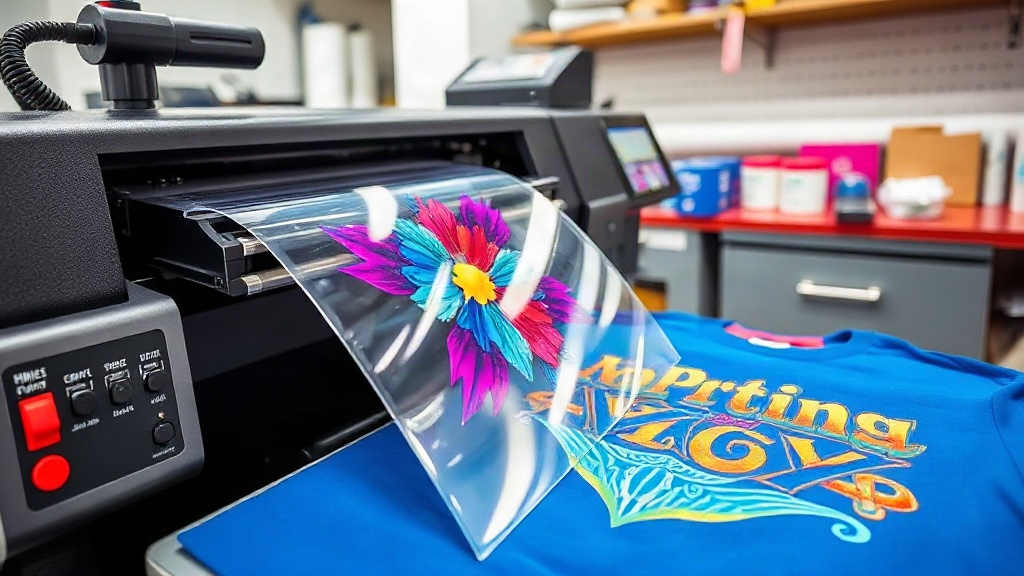
If you've been exploring custom apparel printing, you've likely encountered DTF printing. This innovative method is transforming the way designers and businesses create vibrant, durable prints on various fabrics. Unlike traditional techniques, DTF printing offers unmatched versatility, allowing you to print full-color designs on cotton, polyester, blends, and even hard-to-print materials like nylon and leather. In this guide, we'll dive deep into DTF printing, covering everything from the process to practical tips, so you can decide if it's right for your next project.
What is DTF Printing?
DTF stands for Direct-to-Film. It's a printing technology where your design is printed onto a special film, coated with a heat-activated adhesive powder, and then transferred onto the fabric using a heat press. This two-step process might sound complex, but it's surprisingly straightforward once you get the hang of it. The magic of DTF lies in its ability to produce highly detailed, full-color images without the need for color separation or pre-treatment, making it accessible for beginners and professionals alike.
How DTF Printing Works: Step by Step
Understanding the DTF workflow helps you appreciate its simplicity and efficiency. Here's a breakdown of the key steps:
- Design Preparation: Create your artwork in a graphics program, ensuring it's mirrored (unless your printer software does it automatically).
- Printing: Using a DTF printer, your design is printed onto a PET film with a specialized ink. White ink is often used as a base to make colors pop on dark fabrics.
- Powder Application: While the ink is still wet, a thermoplastic powder is applied evenly over the print. Excess powder is shaken off.
- Curing: The film goes through a curing oven or heat press to melt the powder, creating a durable adhesive layer.
- Transfer: The film is placed on the fabric and pressed with a heat press at specific temperature and pressure. After cooling, the film is peeled away, leaving the vibrant design bonded to the fabric.
Each step is critical, but with practice, you'll be producing professional-quality transfers in no time.
Why Choose DTF Printing?
With so many printing methods available, you might wonder what makes DTF stand out. Here are some compelling reasons:
- Versatility: DTF works on almost any fabric, including cotton, polyester, blends, and even treated leather and nylon. No need for different inks or pre-treatment.
- Vibrant Colors: The white ink base allows for bright, opaque colors on both light and dark garments.
- Durability: When applied correctly, DTF prints resist cracking, peeling, and fading, even after multiple washes.
- Detail and Gradients: DTF excels at reproducing fine details, gradients, and photographic images with impressive accuracy.
- Cost-Effective for Small Runs: Unlike screen printing, which requires setup per color, DTF is economical for short runs and one-off designs.
DTF vs. Other Printing Methods
How does DTF compare to DTG (Direct-to-Garment) and screen printing? DTG is great for cotton but struggles with polyester and dark colors unless pre-treated. Screen printing offers excellent durability but is costly for multi-color jobs and small batches. DTF bridges the gap: it handles various fabrics, requires no pre-treatment, and is cost-effective for short runs. However, for very large orders of simple designs, screen printing might still be more economical.
Getting Started with DTF Printing
Ready to dive into DTF? Here's what you need to know to set up your workflow.
Essential Equipment
- DTF Printer: A dedicated printer that uses DTF inks, usually with white ink capabilities. Brands like Epson with DTF conversions or specialized DTF printers are popular.
- DTF Film: PET film sheets or rolls designed for DTF printing. Thickness and finish affect ink absorption and transfer quality.
- Adhesive Powder: Thermoplastic powder (TPU) that bonds the ink to the fabric. Available in fine or coarse grades.
- Curing Oven or Heat Press: For melting the powder. A heat press can double for both curing and transferring.
- Heat Press: For transferring the design onto the garment. A reliable heat press with accurate temperature and pressure control is crucial.
- Software: RIP software to manage color profiles and print settings.
Step-by-Step DTF Printing Process
Let's walk through the process in more detail.
- Create and Mirror Your Design: Design your artwork in software like Photoshop or Illustrator. Remember to mirror the image horizontally because the film will be flipped during transfer.
- Print on Film: Load the DTF film into your printer. Ensure your printer is set up with the correct ICC profile for DTF inks. Print the design, including a white underbase if needed.
- Apply Powder: While the ink is wet, sprinkle the adhesive powder over the print. Use a powder shaker for even distribution. Gently shake off excess powder; you want a thin, even layer.
- Cure the Powder: Place the film in a curing oven at around 320°F (160°C) for 2-3 minutes, or use a heat press at low pressure for about 30 seconds. The powder should melt and become glossy.
- Transfer to Fabric: Preheat your heat press to 325°F (163°C) with medium pressure. Place the cured film on the garment, cover with a Teflon sheet, and press for 15-20 seconds. Let it cool completely before peeling the film off. For a matte finish, peel while hot; for glossy, peel cold.
- Post-Press (Optional): For added durability, press again for 5-10 seconds with a Teflon sheet after peeling.
Tips for Success
- Test Your Settings: Every printer, film, and powder combo behaves differently. Run test prints to dial in temperature, pressure, and time.
- Control Humidity: High humidity can affect powder application and curing. Work in a dry environment.
- Store Film Properly: Keep film sealed to prevent moisture absorption.
- Use Quality Supplies: Cheaper powders may cause clogging or poor adhesion. Invest in reputable brands.
- Practice Peeling: Peeling technique affects the final feel. Experiment with hot vs. cold peel to achieve your desired texture.
Troubleshooting Common DTF Issues
Even with experience, you might encounter problems. Here are solutions to frequent DTF challenges:
- Print Cracking or Fading: Usually due to under-curing or insufficient pressure during transfer. Increase curing time or pressure.
- Powder Not Sticking: Ink may be too dry. Ensure you apply powder immediately after printing, while ink is wet.
- Transfer Peeling Off: Could be from too little powder, under-curing, or pressing at too low a temperature. Check all variables.
- Clogged Printhead: Regular maintenance and using DTF-specific inks prevent clogs. Clean the printhead daily.
Applications of DTF Printing
DTF printing opens up a world of possibilities. It's ideal for:
- Custom t-shirts, hoodies, and sportswear.
- Corporate uniforms and promotional items.
- Personalized gifts like tote bags and hats.
- Small business merchandise with intricate designs.
- Printing on unusual fabrics like canvas and denim.
Frequently Asked Questions
What fabrics can I use with DTF printing?
DTF printing works on a wide range of fabrics, including cotton, polyester, blends, nylon, leather, and even some treated synthetics. It's particularly useful for fabrics that are difficult to print with other methods.
How long do DTF prints last?
When properly applied and cared for, DTF prints can last as long as the garment itself. They resist cracking, peeling, and fading through many wash cycles. Following wash instructions (inside out, cold water, no bleach) extends their life.
Do I need special ink for DTF printing?
Yes, DTF printing requires DTF-specific inks, typically including white ink for the underbase. These inks are formulated to work with the adhesive powder and film.
Can I use a regular printer for DTF?
No, you need a printer that supports DTF inks and has a white ink channel. Some Epson printers can be converted, but dedicated DTF printers are recommended for best results.
Is DTF printing cost-effective for small businesses?
Absolutely. DTF printing has a low setup cost compared to screen printing, making it ideal for small runs and customized orders. The per-unit cost is reasonable, especially for multi-color designs.
Embracing DTF printing can elevate your custom apparel game, offering flexibility and quality that meet diverse needs. With the right equipment and a bit of practice, you'll be creating stunning, durable prints that impress customers and clients alike.