
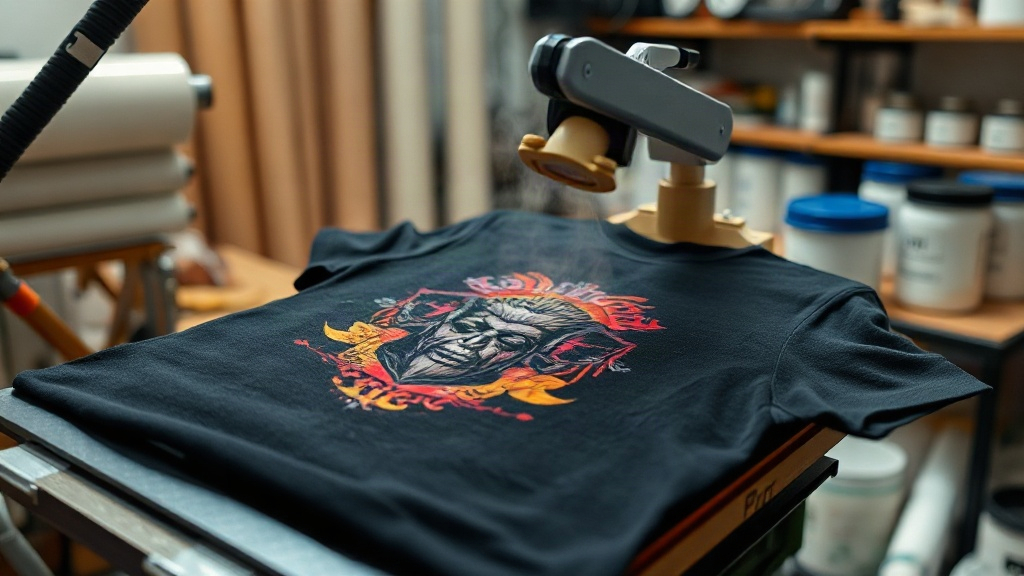
If you've been anywhere near the custom apparel scene lately, you've probably heard the buzz about DTF printing. It's not just another acronym; it's a game-changer that's allowing small shops and hobbyists to produce professional-grade transfers with stunning detail. Unlike traditional methods that require weeding or specialized equipment, DTF (Direct-to-Film) printing simplifies the process while delivering exceptional results. In this guide, I'll walk you through everything you need to know to get started, from the basics of the technology to pro tips that will save you time and money.
What Exactly Is DTF Printing?
At its core, DTF printing is a digital printing method where your design is printed onto a special PET film using water-based pigment inks. A thermoplastic powder adhesive is then applied to the wet ink, and the film is cured. When you're ready to apply the design to a garment, you use a heat press to transfer it. The adhesive melts and bonds the ink to the fabric, creating a durable, stretchable print that feels soft to the touch. It's like having a custom screen print without the screens!
The beauty of DTF lies in its versatility. You can print on a wide range of fabrics—cotton, polyester, blends, even treated nylon—without worrying about the color of the garment. The white ink layer in DTF films acts as a base, so your design pops on both light and dark shirts. This opens up a world of possibilities for custom tees, hoodies, tote bags, and more.
Why DTF Is Gaining Popularity
Several factors are driving the DTF revolution. First, the setup cost is significantly lower than DTG (Direct-to-Garment) or screen printing. You don't need a specialized printer for garments; a modified inkjet printer and a heat press are the main investments. Second, the process is fast. Once your film is ready, you can press a shirt in under a minute. Third, the quality is impressive: fine details, gradients, and photographic images reproduce beautifully. And because the transfer is applied with heat and pressure, it withstands washing well when done correctly.
Another advantage is the ability to print on demand. You can produce a single transfer or a hundred without wasting materials. This makes DTF ideal for small businesses, crafters, and anyone who wants to offer personalized items without a huge inventory commitment.
Getting Started: Materials and Equipment
Before you dive in, you'll need to gather the right supplies. Here's a checklist to set you up for success:
- DTF printer or a converted inkjet printer (Epson EcoTank models are popular for conversions).
- DTF ink (CMYK plus white).
- DTF film (PET film sheets or rolls).
- DTF powder (TPU adhesive powder).
- Heat press (capable of reaching 325°F/160°C).
- Curing oven or a heat gun for melting the powder.
- Design software (Photoshop, Illustrator, or free alternatives like GIMP).
If you're not ready to invest in a printer, many companies sell ready-to-press DTF transfers. That's a great way to test the waters. But if you want full control, setting up your own DTF station is rewarding.
Choosing the Right Printer
Not all printers are created equal. For DTF, you need a printer that can handle white ink and print on film. Epson's EcoTank series (like the ET-8550) are common choices because they have refillable tanks and can be converted with DTF ink systems. Alternatively, you can buy a dedicated DTF printer from brands like Ving, Roland, or Mutoh. These come with the necessary modifications and software, but they cost more. If you're on a budget, a converted printer with a good RIP software (like AcroRIP) can work well.
Inks and Films: The Heart of DTF
DTF inks are specially formulated to be stretchable and durable. They must also work with the powder adhesive. Cheap inks can clog your printhead or produce dull colors. Stick with reputable brands. As for film, it comes in different thicknesses and finishes. Double-sided matte film is popular because it holds the ink well and releases cleanly. You'll also find cold-peel and hot-peel films; cold-peel is more forgiving for beginners.
Step-by-Step DTF Printing Process
Now let's walk through the actual printing and application. This is where the magic happens.
- Design preparation: Create your artwork in CMYK mode, mirror it horizontally, and ensure it has a transparent background if needed. The white ink layer will be generated automatically by your RIP software.
- Printing: Load the DTF film into your printer and print. The printer lays down color inks first, then a white ink layer on top. This white layer is what makes the design opaque on dark fabrics.
- Powder application: While the ink is still wet, sprinkle DTF powder evenly over the print. Shake off the excess. You want a thin, uniform coating.
- Curing: Place the film in a curing oven at around 320°F (160°C) for 2-3 minutes, or use a heat gun until the powder melts and becomes glossy. This step is crucial; undercuring leads to wash-off.
- Transfer: Set your heat press to 325°F (160°C) with medium pressure. Place the transfer on the garment, cover with a Teflon sheet or parchment paper, and press for 15-20 seconds. For cold-peel film, let it cool completely before peeling.
That's it! You've created a professional-looking custom apparel item.
Pro Tips for Flawless Results
I've made my share of mistakes, so you don't have to. Here are some hard-earned lessons:
- Control humidity: DTF powder is hygroscopic; it absorbs moisture from the air, which can cause clumping and poor adhesion. Store it in an airtight container and work in a dry environment.
- Test your press: Every heat press is different. Use a temperature gun to verify the actual platen temperature. A few degrees can make a big difference.
- Pre-press garments: Always pre-press your shirt for a few seconds to remove moisture and wrinkles. This ensures a smooth, even transfer.
- Use a Teflon sheet: It protects your design and prevents ink from sticking to the press.
- Wash inside out: Advise your customers to wash garments inside out in cold water and avoid fabric softener. This extends the life of the DTF print.
Another tip: keep a log of your settings for each fabric type. Cotton, polyester, and blends all behave differently. What works for a 100% cotton tee might not work for a polyester performance shirt. Adjust pressure, time, and temperature accordingly.
Common DTF Problems and How to Fix Them
Even with experience, issues can arise. Here's a troubleshooting guide:
Ink Cracking After Wash
This usually means the powder wasn't fully cured or too little powder was applied. Increase curing time or temperature, and ensure even powder coverage.
Transfer Not Sticking
Insufficient pressure or temperature. Increase both, and make sure the garment is flat and pre-pressed. Also, check that the film is placed correctly (ink side down).
Dull Colors
Cheap ink or incorrect printer settings. Use high-quality DTF ink and ensure your RIP software is configured for vibrant output.
DTF vs. Other Printing Methods
How does DTF stack up against DTG, screen printing, and vinyl?
- DTG: Great for 100% cotton, but requires pre-treatment and can be slow. DTF is faster and works on more fabrics.
- Screen printing: Cost-effective for large orders, but setup is time-consuming and costly for small runs. DTF shines for one-offs and detailed designs.
- Vinyl: Limited to simple shapes and colors; weeding is tedious. DTF handles complex art with ease.
Each method has its place, but DTF offers a unique blend of versatility, quality, and low barrier to entry.
Frequently Asked Questions
How long does a DTF transfer last?
With proper application and care, a DTF transfer can last 50+ washes. Following washing instructions is key to longevity.
Can I use DTF on 100% polyester?
Yes, DTF works well on polyester. However, polyester requires lower pressing temperatures to avoid dye migration. Use a low-temperature powder and press at around 280-300°F.
Do I need a special printer for DTF?
You can convert a standard inkjet printer with DTF ink and a RIP software, or buy a dedicated DTF printer. Conversion is cheaper but requires some technical know-how.
What is the best film for DTF?
Double-sided matte PET film is widely recommended for its ink retention and easy release. Brands like DTF Station and Supacolor offer reliable options.
Can I sell items made with DTF?
Absolutely. Many small businesses thrive on DTF printing. Just ensure you have the right to use the artwork and follow any licensing requirements.
DTF printing has democratized custom apparel. With a modest investment and a bit of practice, you can produce stunning, durable transfers that rival professional shops. Embrace the learning curve, and don't be afraid to experiment. Your customers will love the results.