
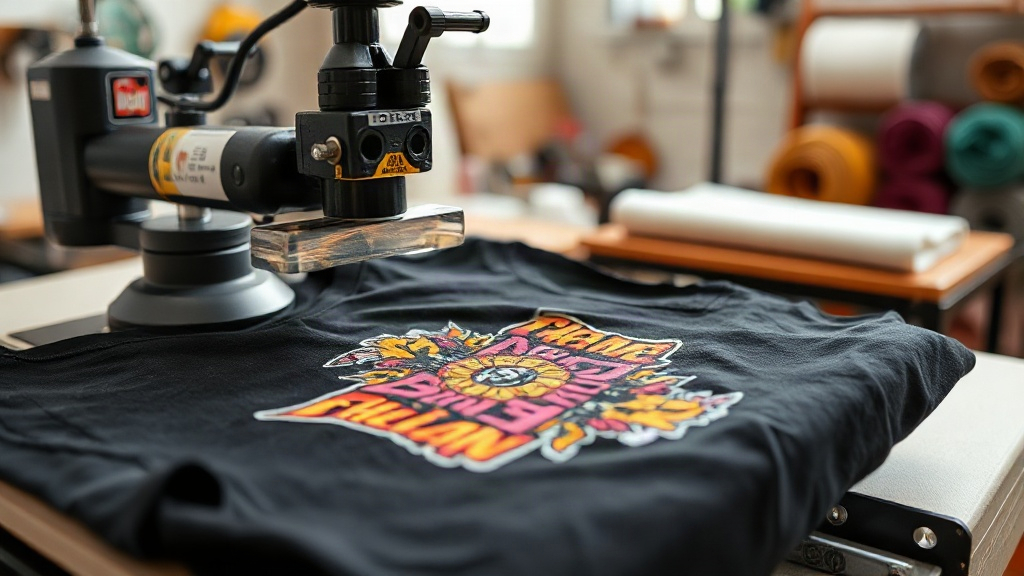
When I first heard about DTF Transfers, I was skeptical. As someone who has spent years working with heat transfer vinyl and screen printing, I thought I had seen it all. But after testing DTF on a whim, I was blown away by the vibrancy and durability. Now, it's my go-to method for complex designs on tricky fabrics. If you're curious about DTF, this guide will walk you through everything you need to know, from the basics to pro tips.
What Are DTF Transfers?
DTF Transfers (Direct to Film) are a relatively new printing technology that involves printing your design onto a special film, coating it with adhesive powder, and then heat-pressing it onto your fabric. Unlike DTG (Direct to Garment) or screen printing, DTF doesn't require pre-treatment or specialized inks for different fabrics. It works on cotton, polyester, blends, and even tough materials like nylon and leather. The result is a soft, stretchable print that can handle intricate details and gradients with ease.
The process starts with a digital printer that uses special DTF inks. These inks are printed onto a PET film in reverse. Then, a adhesive powder is applied while the ink is still wet. After shaking off the excess, the film is cured. When you're ready to apply, you simply heat press the film onto your garment. The adhesive melts and bonds the ink to the fabric, and after cooling, you peel off the film. The print remains on the fabric, vibrant and wash-resistant.
Why Choose DTF Transfers?
There are several reasons why DTF has become a favorite among crafters and professionals alike. Let's break down the key benefits.
Versatility Across Fabrics
One of the biggest advantages of DTF Transfers is that they adhere to almost any fabric. Cotton, polyester, cotton-poly blends, spandex, nylon, leather, and even canvas. This means you don't need to stock different types of transfer materials for different garments. Whether you're decorating a 100% cotton t-shirt or a polyester sports jersey, DTF works. This versatility simplifies your workflow and reduces inventory costs.
Vibrant Colors and Fine Details
DTF printing uses CMYK plus white ink, which allows for full-color designs with smooth gradients and fine lines. Unlike vinyl, which requires layering and weeding, DTF can reproduce photographic images and complex artwork with stunning accuracy. The white ink layer acts as a base, making colors pop even on dark fabrics. I've printed designs with tiny text and intricate patterns, and the results were crisp and clear.
Durability and Stretchability
When applied correctly, DTF prints are incredibly durable. They withstand repeated washing without fading, cracking, or peeling. The print stretches with the fabric, so it won't crack when worn. I've washed DTF-printed shirts dozens of times, and they still look brand new. This durability makes DTF ideal for items that get heavy use, like work uniforms or athletic wear.
How to Apply DTF Transfers: Step by Step
Applying DTF transfers is straightforward, but following the right steps ensures a professional finish. Here's my tried-and-true method.
Step 1: Prepare Your Workspace
Set your heat press to the recommended temperature. For most DTF transfers, 325°F (160°C) is a good starting point. Preheat your garment for a few seconds to remove moisture and wrinkles. This helps the transfer adhere evenly.
Step 2: Position the Transfer
Place the DTF film on the garment with the printed side facing up. If your design has a white layer, it will be on top. Use heat-resistant tape to hold it in place if needed. Make sure the placement is exactly where you want it.
Step 3: Press
Cover the transfer with a Teflon sheet or parchment paper to protect your heat press. Apply medium to firm pressure for 15-20 seconds. The exact time may vary depending on your press and the film manufacturer, so always check the instructions.
Step 4: Peel
After pressing, you can either peel the film hot or cold. Most DTF transfers are cold peel, meaning you wait for the transfer to cool completely before peeling. This gives the adhesive time to set. Peel slowly at a low angle to avoid lifting the print.
Step 5: Post-Press (Optional)
For added durability, especially on stretchy fabrics, you can do a second press for 5-10 seconds with a Teflon sheet over the design. This further embeds the ink into the fabric.
Common Mistakes to Avoid
Even with a simple process, things can go wrong. Here are some pitfalls I've encountered and how to avoid them.
- Insufficient pressure: If the pressure is too light, the transfer won't adhere properly. Use firm pressure.
- Wrong temperature: Too hot and the film may melt or the ink may scorch; too cold and the adhesive won't activate. Invest in a heat gun or infrared thermometer to verify your press temperature.
- Peeling too soon: For cold peel, patience is key. Peeling while hot can cause the design to stretch or leave residue.
- Not pre-pressing: Skipping pre-press can lead to moisture trapped under the transfer, causing bubbles or poor adhesion.
DTF vs. Other Transfer Methods
How does DTF stack up against DTG, screen printing, and vinyl? Let's compare.
DTF vs. DTG
DTG (Direct to Garment) prints directly onto the fabric, which is great for 100% cotton. However, DTG requires pre-treatment, and the colors may not be as vibrant on dark shirts. DTF, on the other hand, works on more fabrics and produces more consistent results, especially on polyester.
DTF vs. Screen Printing
Screen printing is cost-effective for large orders of simple designs, but it's not practical for small batches or complex art. DTF excels at detailed, multi-color designs and short runs. Plus, DTF doesn't require screens or setup fees.
DTF vs. Heat Transfer Vinyl
HTV is great for simple shapes and text, but layering multiple colors is time-consuming and can make the design thick. DTF produces a thinner, more flexible print that can handle intricate details without the hassle of weeding and layering.
Tips for Better DTF Results
After countless trials, I've picked up a few tricks that make a big difference.
- Use a quality heat press: A reliable press with consistent temperature and pressure is crucial. Clamshell or swing-away presses both work, but swing-away allows for even pressure.
- Store transfers properly: Keep unused DTF films in a cool, dry place, away from direct sunlight. Moisture can ruin the adhesive powder.
- Test on scrap fabric: Before pressing onto a final garment, do a test run to dial in your settings.
- Choose the right film: Not all DTF films are created equal. Some are designed for hot peel, others for cold peel. Match the film to your workflow.
Frequently Asked Questions
Can I use DTF transfers on 100% polyester?
Yes, DTF transfers work beautifully on 100% polyester. In fact, they often adhere better to polyester than DTG. Just be mindful of the heat settings; polyester can scorch at high temperatures, so use a lower temperature (around 300°F) and test first.
How long do DTF transfers last?
With proper application and care, DTF transfers can last as long as the garment itself. They are resistant to cracking, peeling, and fading. Wash the garment inside out in cold water and avoid bleach to maximize longevity.
Do I need a special printer for DTF?
You can buy a dedicated DTF printer, or you can convert an existing inkjet printer with DTF inks and film. However, dedicated DTF printers are designed for the viscosity of DTF inks and often include white ink channels, which are essential for printing on dark fabrics.
Can I layer DTF transfers?
Yes, you can layer DTF transfers, but it's not common because DTF already produces full-color designs. If you need to layer for a special effect, press the first layer, then apply the second on top, pressing again. Be careful not to over-press, as too much heat can damage the inks.
What is the best way to store DTF transfers?
Store DTF transfers in a sealed bag or container in a cool, dry place. Avoid exposure to moisture and direct sunlight. If stored properly, they can last for several months. I keep mine in a plastic bin with silica gel packets to absorb any humidity.
DTF transfers have revolutionized the way I approach custom apparel. They offer unmatched versatility, vibrant colors, and durability. Whether you're a hobbyist or a professional, mastering DTF can open up a world of possibilities. Give it a try, and you might just find your new favorite printing method.