
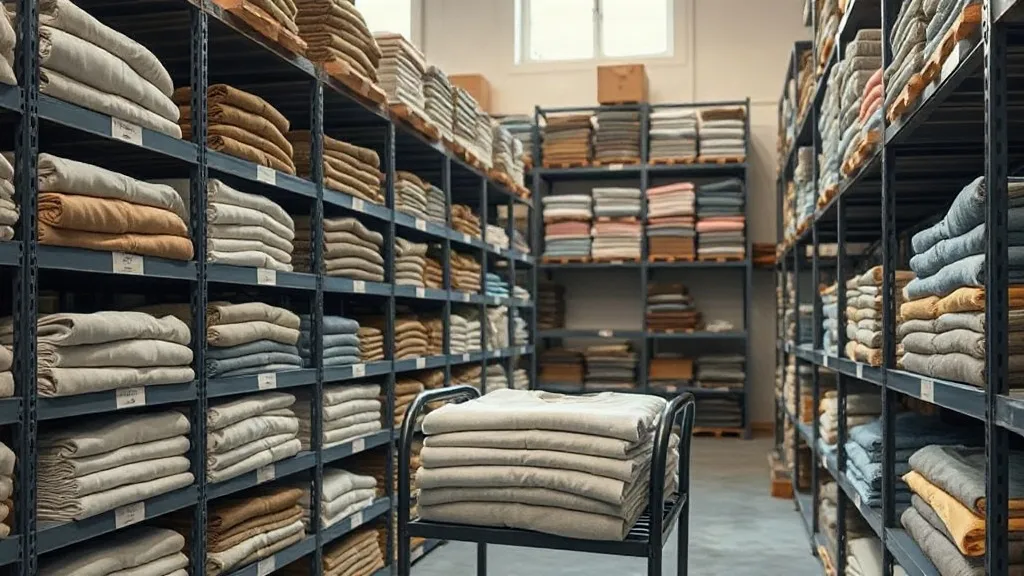
Most print shops do not lose money on the printing. They lose it on the blanks. A single rushed order of shaka wear tees in the wrong size mix can sit on a shelf for a year while the cash that bought it stays locked away. If your shop has ever quoted a 60-piece job, driven to a supplier, and come back with four bags of mediums nobody asked for, you already know the problem. Bulk buying is not about getting the lowest unit price. It is about matching what you buy to what actually leaves your door.
This guide is about the buying side of the equation, not the pressing side. It covers how to build a size curve, how case quantities work against you, what to check on arrival, and how a DTF Gangsheet Builder helps you commit to blanks with more confidence. If you print on heavyweight blanks and want to stop guessing at inventory, this is the part of the job worth tightening up.
Why Shaka Wear Fits the Bulk Model
Heavyweight blanks behave differently in bulk than thin fashion tees. A 6.5 oz cotton tee holds its shape through repeated washes, which means fewer customer complaints, fewer replacements, and a product that survives long enough for word of mouth to work. That matters more at volume. When you sell one shirt to one person, a slightly thin fabric is a minor annoyance. When you sell 200 shirts to a gym, a school team, or a brand doing a drop, a thin fabric becomes a return request multiplied by 200.
The other reason shaka wear suits shops that buy in quantity is consistency. A blank line that keeps its spec across restocks lets you build a size curve and trust it. You learn that a large runs true, that the shoulder holds after pressing, and that your press settings from last month still apply. That predictability is the real asset. It turns blank buying from a gamble into a routine.
Building a Size Curve That Matches Real Demand
Ask five printers what their size breakdown looks like and you will get five different answers, because it depends entirely on who you sell to. A shop doing corporate work sells a lot of large and extra large. A shop doing school spirit wear sells more youth and small. A shop doing streetwear drops might sell a surprising number of double XL and 3XL because the fit is part of the look.
Before you place a bulk order, pull your last 90 days of sales and count units by size. Do not estimate. Count. Most shops find their gut feeling is off by a full size category, usually because they remember the unusual orders more vividly than the routine ones.
A starting curve for a general-purpose shop
If you have no data yet, this is a reasonable opening ratio for every 24 pieces. Adjust it the moment you have real numbers.
- Small: 2 pieces
- Medium: 5 pieces
- Large: 6 pieces
- Extra large: 5 pieces
- Double XL: 4 pieces
- Triple XL: 2 pieces
Notice that the extremes still get representation. Skipping 3XL entirely to save a few dollars is a common mistake. Those sizes carry higher margins and customers who need them are often the most loyal, because so many suppliers ignore them.
When to break the curve on purpose
Some jobs justify an off-curve order. A team order with a roster in hand is the obvious case, since you know exactly what you need. A brand launch is another. If a client is doing a limited drop and wants every size available on day one, order to their spec and price the risk into the quote. What you should never do is break the curve because a case price looked attractive. Cheap blanks you cannot sell are not cheap.
The Case Quantity Trap
Suppliers price by the case, and cases rarely break evenly across sizes. You might find that a case of large is 36 units while a case of small is 24. That mismatch quietly skews your inventory toward whichever size comes in the biggest box. Two years of ordering by the case without checking can leave you with a wall of one size and a permanent shortage of another.
The fix is simple but requires discipline. Build your order from the size curve first, then translate it into cases, then note the surplus or shortfall for each size. If the case math forces you into a surplus of mediums, either accept it knowingly or split the order across two suppliers. What you should not do is let the packaging decide your product mix.
Do the math before the invoice
Take your target curve, multiply by the number of dozens you plan to buy, and compare the result to what the case quantities actually deliver. Write the difference down. If the gap is more than about 15 percent in any single size, reconsider. That is the threshold where surplus starts to feel like dead stock rather than healthy buffer.
Where DTF Gangsheets Change the Buying Decision
Here is the connection that surprises people. Your transfer workflow affects how much blank inventory you can safely carry. If every design requires a separate film order with its own minimum, you end up printing transfers in batches that do not match your blanks, and you hold blanks because you are waiting on film, or you hold film because you over-ordered blanks.
A DTF Gangsheet Builder breaks that loop. You assemble many designs onto one sheet at whatever length you need, which means you can produce a small run of six different graphics in one pass. Suddenly a mixed-size, mixed-design bulk order makes sense. You are not committing to 50 transfers of one logo to justify a film order. You are committing to 50 blanks and filling them with a sheet that covers every design in the drop.
In practice, shops that switch to gangsheet planning tend to buy blanks in slightly larger, more balanced orders because the film constraint is gone. They also waste less. Offcuts from one job get placed onto the next sheet instead of being thrown away.
A quick workflow that holds up
- Confirm the size curve and lock the blank order.
- Map every design to a size and quantity.
- Build one gangsheet that covers the full run, filling gaps with reorders or bestsellers.
- Press in size order, not design order, so finished goods stack cleanly for packing.
- Record actual usage against the plan so the next order is sharper.
Receiving and Storing Bulk Blanks
Inspect on arrival. Open at least one bag per size and check the count, the color match, and the seams. Supplier errors are far easier to resolve in the first 48 hours than after the goods have been pressed. Photograph the packing slip next to the opened bag. It takes thirty seconds and settles arguments.
Storage matters more than most shops admit. Keep blanks off the floor, out of direct sunlight, and away from humidity. Poly bags trap moisture, so if your storage area runs damp, slit the bags or remove the shirts entirely. A blank that absorbs moisture before pressing will show it in the transfer, usually as a patchy, dull finish that no amount of re-pressing fixes.
Label shelves by size, not by order date. When a rush job comes in, you want to walk to the large shelf and grab, not dig through a stack of mixed bags from three different purchases.
Pricing Bulk Work Without Eating the Risk
Bulk quotes fail when they price only the blank and the print. The real cost includes the surplus sizes you will eventually discount, the storage space, and the labor of counting and recounting. A workable rule is to add a small buffer to the per-unit price for any order that requires you to hold non-standard sizes. Clients rarely object when you explain it as a size availability charge, and it protects you from the slow bleed of unsold inventory.
For repeat clients, offer a standing size curve instead of a per-order negotiation. They get predictable pricing, you get predictable ordering, and both sides stop rebuilding the same spreadsheet every month.
Frequently Asked Questions
How many Shaka Wear tees should a small shop order at once?
Start with what you can sell or press within about eight weeks. For most small shops that lands between 48 and 96 pieces, split across a balanced size curve. Buying more to hit a discount only works if you have the storage and the demand to move it.
Is it cheaper to order blanks by the case or by the piece?
The case price is almost always lower per unit, but only if the case quantities match your size curve. If a case forces you into a surplus of one size, the effective cost per sellable shirt can end up higher than buying smaller quantities at a slightly worse rate.
Can I mix sizes and designs on one DTF gangsheet?
Yes, and that flexibility is the main reason gangsheets pair well with bulk blank orders. You can place several graphics at different sizes on a single sheet, which lets you fill a mixed-size run without ordering separate film for each design.
How should I store heavyweight blanks before printing?
Keep them flat or folded on shelving, away from damp floors and direct sun. If your space is humid, open the poly bags so moisture can escape. Press a test shirt from each new delivery before running a full batch.
What is the biggest mistake shops make with bulk blank orders?
Ordering to a supplier's case structure instead of their own sales data. The second most common is skipping extended sizes to save money, which quietly hands those customers to a competitor who stocks them.
The Short Version
Bulk buying rewards planning and punishes convenience. Count your sizes, translate the curve into cases, watch the surplus, store the goods properly, and let a gangsheet workflow free you from film minimums that force bad blank decisions. Do that and shaka wear becomes a dependable line in your catalog rather than a shelf full of regret.