
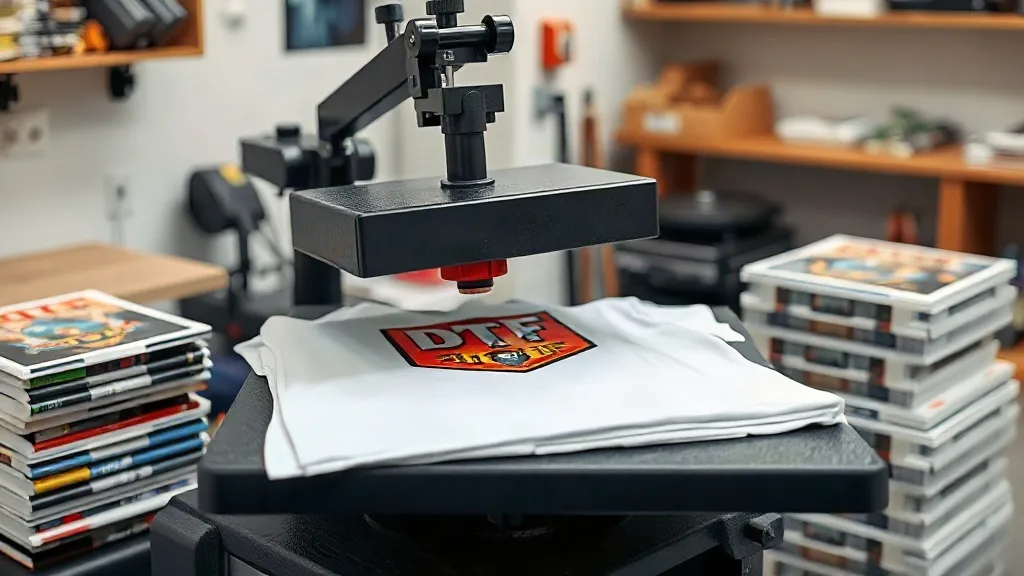
If you've been exploring custom apparel printing, you've likely come across dtf transfers as a game-changing solution. Unlike traditional methods that require specialized equipment or messy processes, DTF (Direct-to-Film) printing offers a streamlined way to produce vibrant, durable designs on various fabrics. In this guide, I'll walk you through everything you need to know about DTF transfers, from how they work to practical tips for flawless application. Whether you're a small business owner or a hobbyist, understanding this technology can save you time and money while delivering professional results.
What Are DTF Transfers?
DTF transfers are printed designs on a special film that can be heat-pressed onto fabrics. The process involves printing your artwork onto a PET film using specialized dtf printers and inks, then applying a powder adhesive while the ink is still wet. Once the powder melts, the design is ready to be transferred. This method is versatile because it works on a wide range of materials, including cotton, polyester, blends, and even some synthetics. The result is a soft, stretchable print that holds up well to washing.
The DTF Printing Process Explained
To create a DTF transfer, you start with a digital design. The printer lays down a layer of white ink (for opacity) followed by color inks, all in reverse order on the film. While the ink is wet, you sprinkle a hot-melt adhesive powder over it, shake off the excess, and then melt the powder using a heat source. This creates a storable transfer that can be applied later with a heat press. The beauty of this process is that it eliminates the need for pre-treatment or weeding, making it faster and more efficient than vinyl or screen printing for short runs.
Why Choose DTF Transfers for Your Projects?
There are several compelling reasons to consider DTF transfers for your printing needs. First, they offer unmatched versatility. You can print on dark and light fabrics without the need for separate processes. Second, DTF transfers are cost-effective for small to medium orders because there's no minimum quantity and no setup fees. Third, the prints are highly durable, resisting cracking, fading, and peeling even after multiple washes. Finally, the soft-hand feel of DTF prints makes them comfortable to wear, which is a big plus for apparel businesses.
- No color limitations: Print full-color designs with gradients and fine details.
- Works on multiple fabrics: Cotton, polyester, blends, and more.
- Fast turnaround: No weeding or pre-treatment required.
- Eco-friendly: Water-based inks and minimal waste.
How to Apply DTF Transfers: Step-by-Step
Applying DTF transfers is straightforward if you follow the right steps. Here's a simple guide to ensure a flawless finish every time.
Step 1: Prepare Your Heat Press
Set your heat press to the recommended temperature, typically around 325°F (160°C). Pre-press the garment for a few seconds to remove moisture and wrinkles. This step is crucial for adhesion.
Step 2: Position the Transfer
Place the DTF transfer on the garment with the printed side facing up. If your transfer has a white backing, that's the side that goes against the fabric. Use heat-resistant tape to hold it in place if needed.
Step 3: Press and Peel
Press with medium to firm pressure for 10-15 seconds. Then, peel the film while it's still hot (or cold, depending on the film type). Most DTF transfers are hot-peel, but always check the instructions from your supplier.
Step 4: Post-Press for Durability
For added durability, you can do a second press with a Teflon sheet or parchment paper for another 5-10 seconds. This ensures the adhesive fully bonds with the fabric.
Common Mistakes to Avoid with DTF Transfers
Even though DTF is forgiving, some pitfalls can affect the quality of your prints. Avoid these common mistakes to get professional results.
- Using the wrong temperature: Too hot or too cold can cause poor adhesion or scorching.
- Insufficient pressure: Uneven pressure leads to incomplete transfer.
- Peeling too early or too late: Follow the film's instructions for hot vs. cold peel.
- Ignoring fabric type: Some fabrics require lower temperatures or pre-treatment.
If you're looking for dtf transfers near me, you can find local suppliers or order online from reputable companies that ship quickly.
DTF vs. Other Printing Methods
When deciding on a printing method, it's helpful to compare DTF with alternatives like screen printing, DTG, and vinyl. DTF stands out for its ability to handle complex designs without setup costs, making it ideal for custom orders. Unlike DTG, DTF doesn't require pre-treatment and works on a broader range of fabrics. Compared to vinyl, DTF is faster for multi-color designs and offers a softer feel. Screen printing is more cost-effective for large batches, but DTF wins for flexibility and short runs.
Choosing the Right DTF Supplies
Quality supplies are key to successful DTF printing. Invest in a reliable DTF printer, high-quality inks, and compatible films and powders. Cheaper alternatives may clog your printer or produce faded prints. Also, consider the mesh size of the powder; finer powder gives a smoother finish. For businesses, establishing a relationship with a trusted supplier ensures consistent results and timely delivery.
Frequently Asked Questions
How long do DTF transfers last?
With proper application and care, DTF transfers can last as long as the garment itself. They resist cracking and fading through dozens of washes when you follow washing instructions (inside out, cold water, no harsh chemicals).
Can I use DTF transfers on 100% polyester?
Yes, DTF transfers work well on polyester, but you may need to adjust the temperature slightly (around 300°F) to avoid dye migration. Always test on a scrap piece first.
Do I need a special printer for DTF?
Yes, DTF requires a printer that uses DTF inks and can handle PET film. However, you can also buy pre-printed transfers from suppliers if you don't want to invest in a printer.
Is DTF printing cost-effective for small businesses?
Absolutely. With no minimum order quantities and low setup costs, DTF is perfect for small businesses and startups looking to offer custom apparel without large upfront investments.