
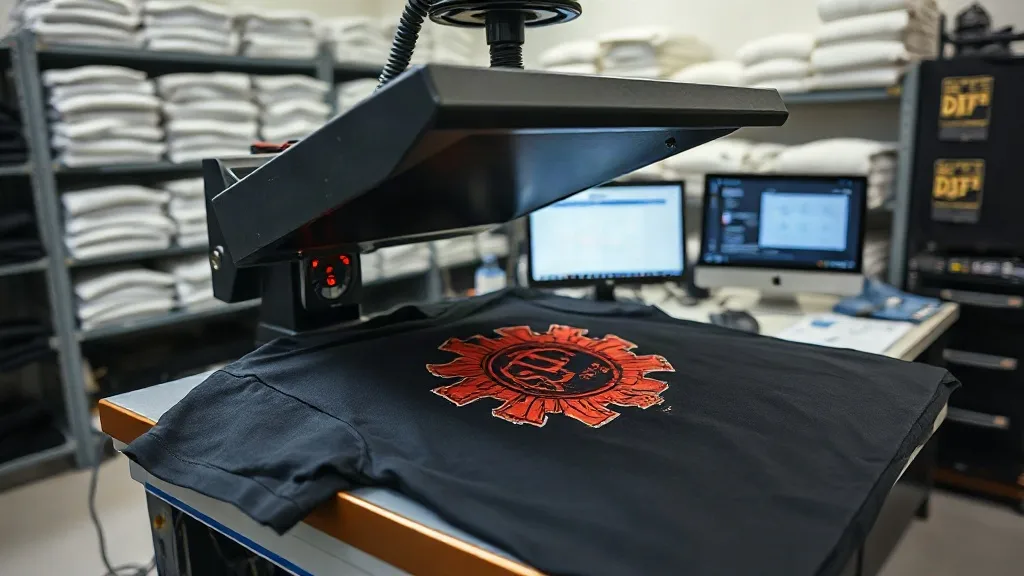
You've chosen shaka wear blanks for their quality and consistency, and you're ready to apply your DTF transfers. But the difference between a print that lasts and one that peels often comes down to one thing: heat press settings. In this guide, we'll walk through the specific temperature, pressure, and time settings that work best for Shaka Wear fabrics, so you can achieve professional, durable results every time.
Why Heat Press Settings Matter for DTF on Shaka Wear
DTF printing involves transferring a design from a film to fabric using heat and pressure. The adhesive on the film melts and bonds with the fabric fibers. If the settings are off, you might get poor adhesion, scorching, or a stiff feel. Shaka Wear blanks are known for their consistent fabric blends, but they still require precise settings to ensure the DTF adhesive cures properly without damaging the garment.
Understanding Shaka Wear Fabrics
Shaka Wear offers a range of blanks, from 100% cotton tees to poly-cotton blends and fleece. Each fabric type responds differently to heat. For DTF, the key is to allow the adhesive to melt and penetrate the fibers without causing the fabric to shrink or the colors to bleed. Knowing your fabric composition is the first step to dialing in your press.
Cotton and Cotton-Rich Blanks
Cotton fabrics can handle higher temperatures but are prone to scorching if the press is too hot. They also tend to absorb moisture, so pre-pressing is crucial to remove any residual dampness that could interfere with adhesion.
Polyester and Blends
Polyester blends are sensitive to heat and can shrink or develop a sheen if overheated. They also have a lower melting point, so you need to use lower temperatures and shorter dwell times to avoid damaging the fabric.
Fleece and Heavyweight Fabrics
Fleece and heavyweight fabrics require more pressure and slightly longer pressing times to ensure the adhesive reaches the fabric surface through the loft. However, excessive pressure can crush the fleece, so balance is key.
Recommended Heat Press Settings for Shaka Wear Blanks
Based on our experience and the specifications of Shaka Wear fabrics, here are the baseline settings to start with. Always perform a test press on a scrap piece of the same fabric to fine-tune.
Temperature
For cotton and cotton-poly blends, set your press to 320°F (160°C). For 100% polyester, reduce to 300°F (150°C). For fleece, 310°F (155°C) works well. These temperatures ensure the adhesive melts without scorching.
Pressure
Medium pressure is generally sufficient for most Shaka Wear blanks. You want the press to close firmly but not so hard that it leaves imprints. For fleece, increase to medium-firm to ensure contact with the uneven surface.
Time
Press for 10-15 seconds for standard tees. For fleece, extend to 20 seconds. If you're using a DTF Gangsheet Builder to create multiple transfers, ensure each transfer gets the full time.
Step-by-Step Heat Press Process for Shaka Wear
Follow these steps to ensure a flawless application:
- Pre-press the garment: Press for 5 seconds to remove moisture and wrinkles. This is critical for Shaka Wear cotton blanks, which can retain moisture.
- Position the transfer: Place the DTF film on the garment with the adhesive side down. Secure with heat-resistant tape if needed.
- Press: Apply the recommended settings for your fabric type. Use firm, even pressure.
- Peel: Wait 5-10 seconds for the film to cool slightly, then peel in a smooth, continuous motion. For a matte finish, peel while hot; for glossy, peel cold.
- Post-press: Cover with parchment paper or a Teflon sheet and press for another 5 seconds to enhance durability.
Troubleshooting Common Issues
Even with the right settings, problems can arise. Here's how to fix them:
- Peeling prints: Increase pressure or temperature slightly. Ensure the garment is completely dry before pressing.
- Scorching: Reduce temperature or use a Teflon sheet. For polyester, lower the temp to 290°F.
- Stiff feel: Reduce pressure and time. Over-pressing can cause the adhesive to saturate the fabric.
Maximizing Efficiency with DTF Gangsheet Builder
For shops producing multiple prints, efficiency is key. Using a DTF Gangsheet Builder allows you to arrange multiple designs on a single sheet, reducing waste and press time. When pressing gangsheets, ensure even pressure across the entire platen and adjust time slightly if the sheet is densely packed.
FAQ
What temperature should I use for DTF on Shaka Wear 100% cotton tees?
Set your press to 320°F (160°C) for 10-15 seconds with medium pressure. Pre-press the shirt for 5 seconds to remove moisture.
Can I use the same settings for Shaka Wear hoodies?
Hoodies often have polyester blends or fleece. For fleece, use 310°F (155°C) for 20 seconds. For polyester blends, reduce to 300°F (150°C). Always test on a scrap first.
How do I prevent scorching on Shaka Wear polyester blends?
Use a lower temperature (290-300°F) and a Teflon sheet. Also, ensure the press is not applying excessive pressure.
What is the best way to peel DTF transfers from Shaka Wear blanks?
For a matte finish, peel while hot (within 5-10 seconds). For a glossy finish, wait until completely cool. Peel in a smooth, continuous motion.