
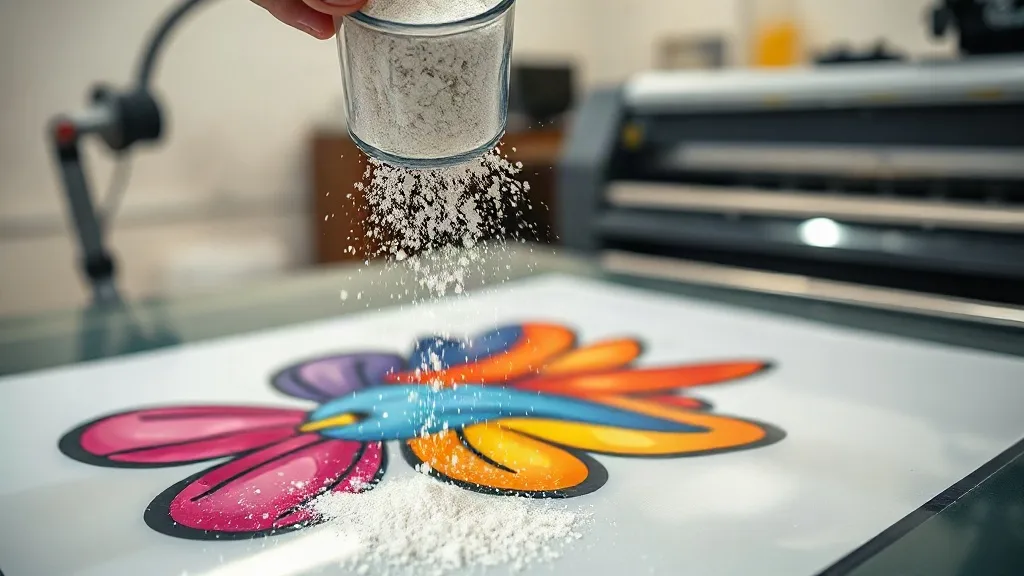
When you think about dtf transfers, your mind probably jumps to printers, ink, and film. But there's a quiet workhorse in the process that rarely gets the spotlight: the adhesive powder. This fine, thermoplastic powder is what makes the difference between a transfer that peels off after one wash and one that survives dozens of cycles. In this guide, we'll dive deep into the world of DTF powder, helping you choose the right type, apply it correctly, and store it so your prints stay flawless.
Why Powder Matters More Than You Think
In DTF printing, the powder is melted onto the wet ink to create a flexible, strong bond with the fabric. Without it, the ink would simply sit on the film and never adhere to the garment. The powder's particle size, melt point, and composition all influence how well the transfer performs. A mismatch can lead to cracking, poor wash durability, or a stiff hand feel. So, if you're serious about quality, powder selection deserves as much attention as your printer settings.
Types of DTF Powder
Not all powders are created equal. Here are the main categories you'll encounter:
- Fine powder (80-170 microns): Ideal for detailed designs and fine lines. It melts quickly and leaves a soft hand feel. Best for high-detail work and lightweight fabrics.
- Medium powder (170-250 microns): A versatile choice for most applications, offering a balance between detail and durability.
- Coarse powder (250+ microns): Suited for bold, heavy designs and thick fabrics. It provides a more textured finish and can withstand aggressive washing.
- Low-melt vs. standard melt: Low-melt powders activate at lower temperatures (around 110-120°C), making them suitable for heat-sensitive fabrics. Standard melt powders require higher temps (150-160°C) but often yield stronger bonds.
Your choice depends on your typical jobs: if you print a lot of intricate logos on performance wear, go fine and low-melt. For heavy-duty canvas or denim, a medium or coarse powder might be better.
How to Apply Powder Correctly
Applying powder is a skill that improves with practice. Here's a step-by-step approach:
- Print the design: Ensure your dtf printer lays down enough ink, especially the white layer, to hold the powder.
- Powder application: While the ink is still wet, sprinkle the powder evenly over the design. Use a powder shaker for consistency. Avoid clumping by shaking gently.
- Remove excess: Tilt the film and tap off excess powder. You can also use a soft brush, but be careful not to disturb the ink.
- Melt the powder: Use a heat source (heat press or oven) to melt the powder until it forms a smooth, glossy layer. This usually takes 30-60 seconds at 150-160°C, but follow your powder's specs.
- Cure and cool: Allow the film to cool completely before storing or using. Proper curing ensures the powder won't stick to itself or the film.
Remember, less is more: a thin, even layer of powder is better than a thick, uneven one. Excess powder can lead to a rough feel and poor adhesion.
Common Powder-Related Problems and Fixes
1. Powder Not Melting Properly
If the powder remains granular after heating, your temperature might be too low or the dwell time too short. Check your heat source's calibration and increase either temperature or time slightly. Also, ensure the powder is evenly distributed; clumps melt slower.
2. Transfer Peels After Washing
This often stems from insufficient powder or under-melting. Make sure you apply enough powder to cover the ink completely, and melt it until it's fully glossy. Additionally, ensure the fabric is properly pre-pressed to remove moisture.
3. Stiff Hand Feel
A thick powder layer can make the print feel like plastic. Switch to a finer powder and apply a thinner layer. Also, check your press settings: excessive pressure during transfer can embed the powder deeper into the fabric, increasing stiffness.
Storage and Handling Tips
Powder is hygroscopic, meaning it absorbs moisture from the air. Moisture can cause clumping and poor melting. Store powder in an airtight container in a cool, dry place. Avoid leaving the lid off for extended periods. If you live in a humid climate, consider using desiccant packs. Also, keep powder away from direct sunlight and heat sources.
Finding Quality Powder Suppliers
When searching for dtf transfers near me, you'll likely come across various suppliers. Not all powders are equal; cheap powders may contain fillers that affect performance. Look for suppliers that provide technical data sheets with melt point, particle size, and recommended application parameters. Reading reviews from other print shops can also help. If possible, request samples and test before committing to bulk orders.
Powder and Press Settings: The Interplay
The powder you choose affects your press settings. Low-melt powders require lower temperatures, which can be beneficial for heat-sensitive fabrics but may need longer dwell times to achieve full adhesion. Standard powders need higher heat, so ensure your press is accurate. Always do a test press with a scrap garment to dial in temperature, pressure, and time. Remember, the goal is to melt the powder into the fabric without scorching it.
SSS
What is the best DTF powder for beginners?
A medium-granule powder (around 170-250 microns) with a standard melt point is forgiving and works well across many fabrics. It's easy to apply evenly and provides good durability.
Can I use the same powder for all fabrics?
Not always. For stretchy or heat-sensitive fabrics, a low-melt fine powder is better. For heavy cottons, a medium or coarse powder may offer better durability. Always test.
How do I know if my powder is melted enough?
The powder should turn from a sandy texture to a smooth, glossy, slightly translucent layer. If it looks grainy or matte, it needs more heat or time.
Why does my powder clump in the container?
Moisture is the usual culprit. Store powder in an airtight container with a desiccant pack, and avoid leaving it open in humid conditions.
Can I reuse excess powder?
Yes, you can collect and reuse excess powder if it's clean and dry. Sift it to remove any clumps or debris before reuse.