
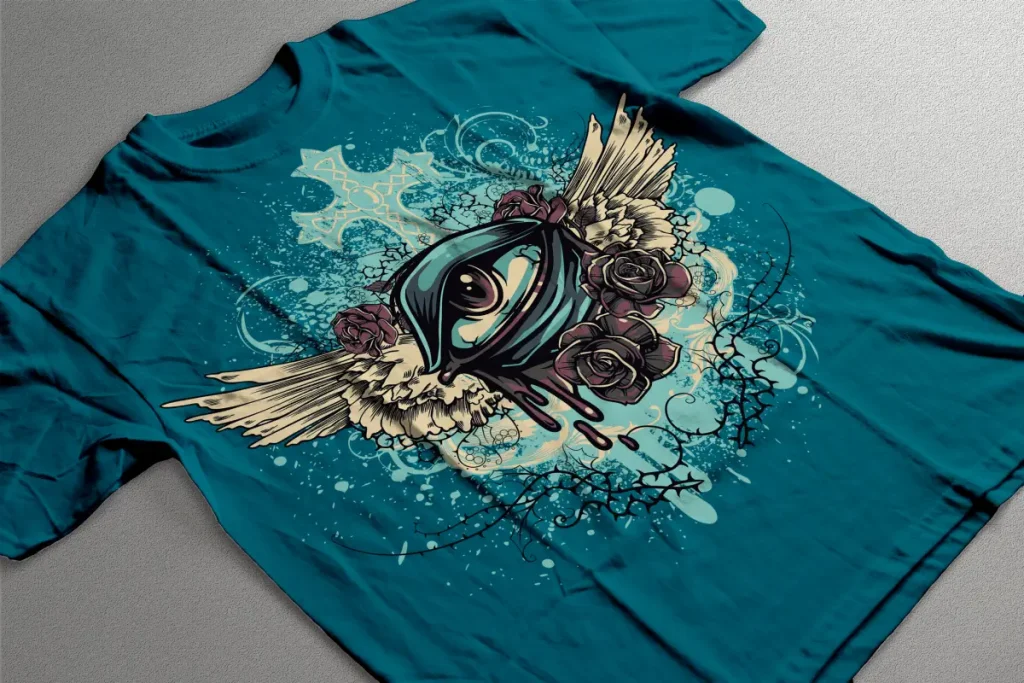
The garment decoration landscape is shifting rapidly, forcing apparel decorators, local clothing brands, and print shops to rethink their production workflows. For years, traditional screen printing and direct-to-garment options dictated how we personalized apparel, bringing with them a host of restrictions ranging from color counts to fabric compatibility. Today, high-quality dtf transfers have broken down those barriers completely, giving creators the freedom to apply complex, multi-colored artwork onto almost any surface imaginable. This modern methodology cuts production setup times, minimizes material waste, and delivers a premium product that clients love to wear.
Operating a successful customization shop requires consistent execution, sharp attention to technical details, and reliable materials. If your transfer does not bond correctly or loses its vibrance after three washes, your brand reputation takes the hit. By understanding the chemical properties behind films, ink layers, and adhesive powders, professionals can easily sidestep common production pitfalls. As an authority in the digital textile space, Harwin DTF is focused on providing creators with the accurate knowledge and commercial-grade solutions needed to achieve flawless outcomes on every single heat press cycle.
The Structural Integrity of Next-Generation Prints
To produce a garment that rivals retail clothing brands, you must first understand what makes the DTF system uniquely effective. Unlike traditional vinyl cutting, which requires weeding intricate details, this process relies on a dedicated PET film substrate that holds water-based CMYK and white inks with extreme precision. The secret to its durability lies in the balance between ink thickness and the granular composition of the hot-melt polyurethane powder applied directly to the wet print.
When the powder meets the heat of a curing oven, it forms an elastic, highly flexible adhesive layer. This flexible backing allows the finished graphic to stretch and contract naturally alongside the textile fibers without snapping, cracking, or lifting at the corners. From heavy-duty canvas workwear to stretchy polyester activewear, the chemical bonding agent provides an enduring hold that traditional methods struggle to match, maintaining its structural integrity over months of continuous wear.
Advanced Heat Press Management for Maximum Durability
Many common failures in garment decoration do not stem from the printing machinery itself, but rather from errors during the final application stage. Heat pressing is a precise combination of time, temperature, and consistent mechanical force. Altering just one of these variables can drastically affect how well the adhesive anchors into the fabric pores.
Optimizing Temperature Settings
Different fabrics exhibit diverse heat tolerances. While standard 100% cotton can easily withstand temperatures up to 320 degrees Fahrenheit, sensitive synthetic garments like nylon or thin polyester require a more cautious approach. Lowering your temperature to around 280 degrees Fahrenheit while extending the press duration by a few seconds prevents fabric scorching and dye migration while ensuring the adhesive backing liquifies sufficiently to form a permanent physical bond.
The Power of Uniform Pressing Pressure
Manual pressure variations are a silent production killer. If your heat press plates are uneven or if you are using light pressure, the molten adhesive will simply sit on top of the fabric strands rather than wrapping around them. Always utilize a heavy, verified pressure setting. A helpful industry tip is to use high-quality foam pressing pillows inside garments with heavy seams, zippers, or buttons to ensure the heating element makes flush, continuous contact across the entire design area.
Moisture Evaporation Protocols
Fabrics naturally retain ambient humidity from their storage environments. When hit with intense heat, this trapped moisture instantly turns into steam, creating microscopic air pockets beneath your design that eventually lead to premature peeling. To guarantee a perfect result, always execute a mandatory 5 to 7 second pre-press on your raw garment to drive out hidden moisture and flatten the surface before aligning your transfer sheet.
Navigating Logistics and Local Supply Realities
In the fast-moving world of commercial print-on-demand, supply chain stability is just as critical as your technical execution. Running out of films during a massive corporate order or waiting weeks for overseas cargo shipments can quickly stall your operational momentum. This critical bottleneck is precisely why local print shops and independent streetwear labels are constantly searching for dependable dtf transfers near me to safeguard their production schedules.
Securing a close-by supply partner mitigates shipping risks, reduces operational overhead costs, and drastically compresses your turnaround windows. Instead of telling a client that their emergency uniform order will take two weeks, local accessibility empowers you to source raw materials, print the films, and fulfill bulk requests within days, opening up new, highly profitable revenue streams for your growing business.
Dominating the Texas Custom Apparel Market
The demand for bespoke apparel across Texas has skyrocketed, driven by corporate expansions, competitive athletic leagues, and large-scale cultural events. For operations striving to stand out in this competitive field, sourcing the best dtf transfer at Houston is an absolute necessity to maintain top-tier visual accuracy and color fidelity. Texas businesses require prints that remain brilliantly bright and intensely colorful even when exposed to demanding outdoor conditions and frequent heavy washing.
Furthermore, local environmental conditions can directly impact the daily manufacturing process. High ambient humidity can alter the way dry adhesive powders behave during the shaking phase. Utilizing a premium Houston dtf transfer engineered specifically to withstand regional climate variables ensures your shop maintains consistent output without unexpected downtime. Harwin DTF specializes in developing robust, resilient solutions tailored to meet these exact commercial needs, helping regional print operations build lasting trust with their local customer base.
Proactive Troubleshooting Guide for Print Operators
Even with access to elite machinery, operational variables can occasionally fluctuate. Recognizing the early signs of a misstep allows your team to make immediate corrections, minimizing material waste and saving valuable labor hours. Here is a practical diagnostic reference guide for your shop floor:
- Ink Separation or Ghosting: This visual defect typically happens when the film is moved while the ink layer is still partially wet during the initial powder application. Ensure your printer’s vacuum bed is calibrated correctly to keep the film perfectly flat as it advances.
- A Glossy, Plastic Texture: If your finished print looks overly reflective and feels stiff, you may have skipped the vital second post-press. Always use a sheet of high-grade finishing paper or a silicone pad for a brief 5-second second press to cure the top layer into a matte, soft-hand finish.
- Edge Fraying After Peeling: This indicates that the release coating on the PET film did not disengage smoothly. If you are using cold-peel materials, use a metal surface or cooling table to drop the garment temperature to true room temperature before attempting to pull the liner away.
- Dye Bleed-Through on Polyesters: When dark polyester garments are heated, their synthetic dyes turn into gas and migrate into white ink layers. To stop this discoloration, utilize a specialized low-temperature adhesive powder or an integrated black carbon barrier layer.
Frequently Asked Questions
What types of fabrics are compatible with these specialized transfers?
One of the greatest benefits of this method is its incredible versatility across fabric types. Unlike direct-to-garment processes that require heavy cotton contents, these film transfers bond beautifully to 100% cotton, pure polyester, nylon, canvas, denim, and various synthetic performance blends without requiring specialized chemical pre-treatments.
Can I use a regular domestic home iron for commercial orders?
While a home iron can melt the powder for small hobby applications, it lacks the mechanical calibration to apply uniform, heavy pressure and consistent heat across a wide graphic area. For commercial items that must survive dozens of trips through a washing machine, a dedicated pneumatic or manual heat press is required.
How should finished garments be cared for to maximize print life?
To preserve the pristine detail and color depth of your graphics, garments should be laundered inside out using cool water and mild detergents. Avoid harsh bleach products or intense fabric softeners, and opt for line drying or a low-temperature tumble dryer setting to extend the lifespan of the underlying bond.
What is the primary cause of transfers peeling off in the wash?
Premature peeling is almost universally caused by incomplete adhesive melting or trapped moisture during the press phase. This can be resolved by performing a thorough pre-press to dry out the textile fibers, verifying your heat press plate temperature with an infrared thermometer, and applying strong, consistent physical pressure.
Scale Your Brand with Absolute Confidence
Thriving in the modern custom merchandise sector requires a balanced fusion of innovative technical knowledge and elite raw materials. By prioritizing structural preparation, optimizing your physical heat press variables, and reacting to regional market demands, your shop can easily outpace the competition. Delivering clothing that looks exceptional and survives rugged use builds an authentic connection with your audience. Partnering with Harwin DTF gives your production line access to the consistent, commercial-grade tools needed to streamline your workflow and grow your business. Step up your printing capabilities today and see the profound difference that expert engineering makes on your bottom line.