
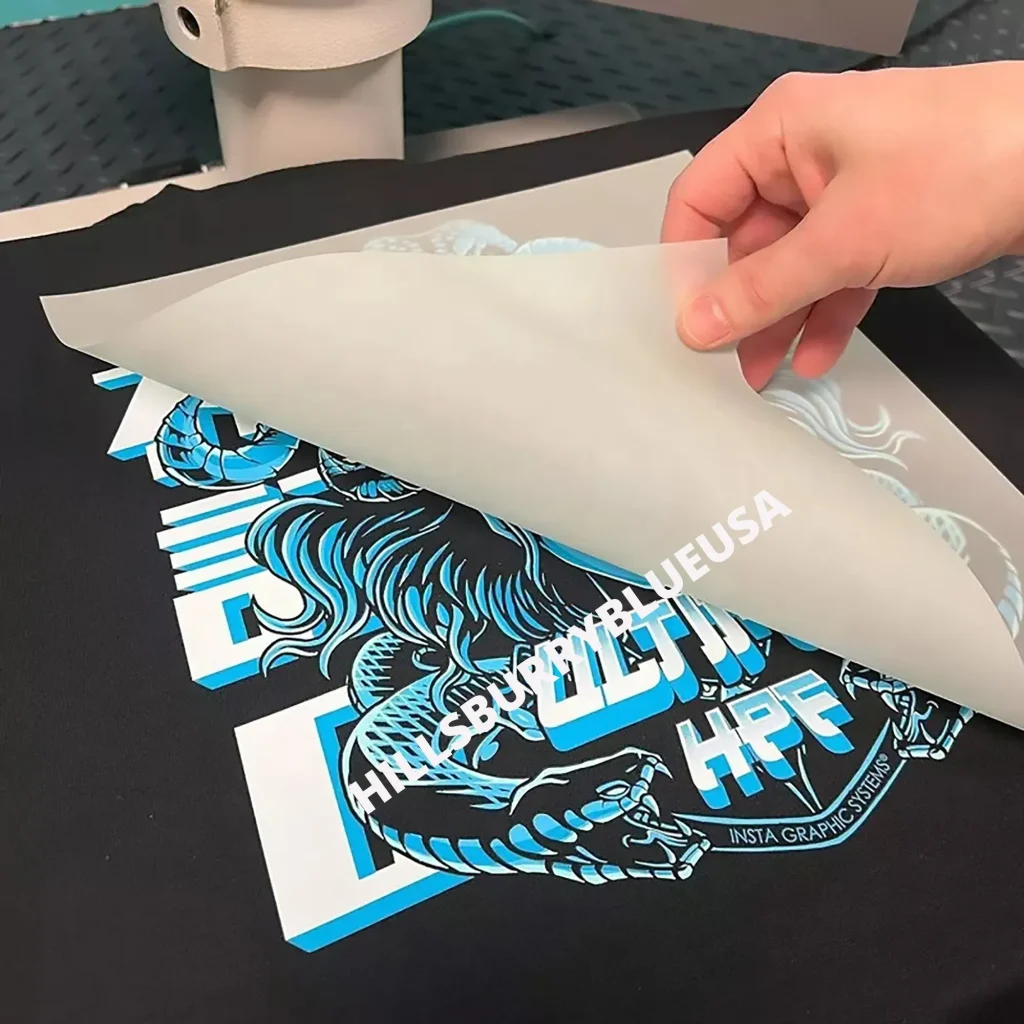
DTF transfers, or Direct to Film transfers, are revolutionizing the printing landscape, offering a dynamic solution for custom apparel enthusiasts and businesses alike. This innovative printing method bridges the gap between quality and versatility, enabling stunning designs on a variety of fabric types. Unlike traditional screen printing or direct to garment (DTG) techniques, DTF printing boasts an intricate color palette and impressive detail accuracy that appeals to a wide audience. With rising popularity, these custom printing options are becoming the go-to choice for those seeking affordable and high-quality heat transfer printing solutions. As we delve deeper into the advantages of DTF transfers, you’ll discover why they might just be the best fit for your next project.
In the realm of modern printing methods, Direct to Film (DTF) technology emerges as a game changer, blending innovation with efficiency. Known colloquially as DTF printing, this approach utilizes film as a medium to transfer eye-catching designs onto various fabrics. Many creators and businesses are drawn to its ability to produce vibrant colors and detailed patterns that rival traditional methods like heat transfer printing and screen printing. Craft enthusiasts appreciate how versatile and straightforward DTF offers solutions for custom designs, enhancing their creative potential. By examining the unique benefits of this novel technology, we will get a clearer insight into why DTF should be on your radar.
The Rise of DTF Transfers in Custom Printing
In recent years, DTF transfers have gained immense popularity in the custom printing industry. This newly emerging printing method stands apart for its ability to create high-resolution images that are vibrant and detailed. What sets DTF apart from traditional methods, such as screen printing and Direct to Garment (DTG), is its ability to adhere to a variety of fabric types. Whether you’re printing on cotton, polyester, or blends, DTF transfers allow creators and businesses to produce stunning designs with relative ease.
The growing demand for personalized items in the fashion and merchandise industries has also contributed to the rise of DTF transfers. Many small businesses and independent creators appreciate the economical aspect of DTF, which does not require extensive setup for small runs like screen printing does. This makes DTF a viable option for custom printing options, helping businesses meet customer demands without breaking the bank.
Comparing DTF Transfers to Screen Printing
When comparing DTF transfers to screen printing, one of the most significant advantages of DTF is its ability to handle complex designs and vibrant colors without the extensive setup that screen printing requires. Screen printing has long been known for its durability and long-lasting prints, but it struggles when it comes to quick turnarounds on small orders or intricate artwork. DTF transfers allow for small batches with excellent detail, making them ideal for trendy, custom applications in fashion.
Additionally, DTF’s flexibility in fabric compatibility is a game-changer. While screen printing has limitations in terms of fabric types and design intricacies, DTF can effortlessly adapt to various materials. This adaptability opens new avenues for creators to play with textures and surfaces that were once challenging to print on with screen printing, ultimately expanding creative possibilities.
The Benefits of DTF Printing for DIY Projects
DTF printing is revolutionizing DIY projects, equipping crafters and creators with a powerful tool for personalized garment design. The ease of generating transfers from home has made DTF popular among hobbyists who want to create custom prints without the complexity of traditional methods. With user-friendly DTF printing systems now available, crafters can create unique designs and achieve professional-quality results on their own.
Moreover, DTF printing yields impressive results with minimal risk of failure, which is particularly beneficial for DIY enthusiasts. The ability to print on various fabrics without worrying about sticking or peeling, which are common concerns with heat transfers, enhances the crafting experience. This significantly reduces frustration and promotes continuous creativity, as enthusiasts can confidently create wearable art that truly reflects their vision.
DTF Transfers Versatility in Fabric Choices
One of the standout features of DTF transfers is their incredible versatility when it comes to fabric choices. Unlike other printing methods that often restrict print options to specific materials—such as DTG’s limitation to cotton—DTF can effectively print on a wide range of fabrics, including cotton, polyester, nylon, and synthetic blends. This accessibility makes DTF particularly appealing for businesses looking to diversify their apparel offerings.
This versatility doesn’t just benefit large manufacturers; it also empowers small businesses and individual creators to experiment with different fabric types, catering to evolving fashion trends and consumer demands. Whether it’s a shiny polyester for athletic wear or a cozy cotton fleece for winter apparel, DTF transfers adapt effortlessly, making them an essential tool in the realm of custom printing.
Understanding the Quality of DTF Printing
Quality is paramount in the printing industry, and DTF transfers deliver outstanding results that often surpass other methods. The technology behind DTF allows for high-quality prints with sharp details and vibrant colors, offering a level of precision that rivals even the best DTG prints. This quality is largely attributed to the specialized inks used in DTF printing, which provide excellent adhesion and durability to withstand multiple washes.
Additionally, the improved adhesive formulations in DTF technology have enhanced the prints’ longevity, allowing them to retain their brilliance and integrity over time. This makes DTF an attractive option for creators who want their designs to not only look good on the first wear but also maintain their quality across the product lifecycle, reducing the need for replacements.
Reasoning Behind Choosing DTF Transfers for Your Business
Selecting the right printing method is crucial for business success, particularly in the competitive world of custom apparel. DTF transfers present a range of advantages that can significantly impact your bottom line. Not only do they offer a cost-effective solution for small batch orders without compromising on quality, but they also allow for swift design changes, making it easier to adapt to customer requests or seasonal trends.
Furthermore, choosing DTF transfers fosters creativity and innovation in design practices. With the ability to produce captivating designs on diverse fabrics, businesses that opt for DTF are at the forefront of the latest trends in custom printing. As the demand for unique and personalized apparel continues to rise, embracing DTF technology can help businesses stay relevant and meet consumer expectations effectively.
Frequently Asked Questions
What are DTF transfers and how do they differ from traditional screen printing?
DTF transfers, or Direct to Film transfers, involve printing designs onto a special film, which is then heat pressed onto fabric. Unlike traditional screen printing, which requires extensive setup for each design and is mainly for larger runs, DTF printing offers more flexibility for small batches and various fabric types. This method produces vibrant colors and high detail, making it a preferred choice for custom printing.
How does DTF printing compare to Direct to Garment (DTG) printing?
DTF printing outshines DTG printing when it comes to versatility. While DTG is primarily effective on cotton fabrics, DTF transfers can be applied to various materials, including polyester blends. Additionally, DTF offers a more straightforward setup process and is often more cost-effective for smaller print runs, making it a popular choice amongst custom apparel creators.
What are the benefits of using DTF transfers for custom printing options?
The benefits of using DTF transfers for custom printing include their adaptability to different fabric types, superior color vibrancy, and intricate detail in designs. Moreover, DTF printing can be more economical for short runs compared to methods like screen printing, while also ensuring durable prints that withstand multiple washes.
Are DTF transfers more durable than heat transfer printing methods?
Yes, DTF transfers are generally more durable than traditional heat transfer methods. The adhesive used in DTF printing is specifically formulated for longer-lasting adherence, reducing issues like peeling or fading over time. This makes DTF transfers a reliable option for high-quality finishes in custom printing.
Can DTF printing be used for large-scale production, or is it better for smaller runs?
While DTF printing excels in smaller batches due to its lower setup costs, it can also be adapted for larger scale productions. Advances in DTF technology have improved efficiency and print speed, making it suitable for larger orders, though businesses should evaluate printing volume versus cost-effectiveness.
What types of fabrics are compatible with DTF transfers?
DTF transfers are versatile and can be used on a wide range of fabrics including cotton, polyester, and cotton-poly blends. This adaptability makes DTF printing an excellent choice for custom apparel as it meets various requirements for fabric types.
| Aspect | DTF Transfers | DTG (Direct to Garment) | Screen Printing | Heat Transfer |
|---|---|---|---|---|
| Versatility | High, can print on various fabrics | Low, mostly suitable for cotton fabrics | Moderate, requires specific setups for different garments | Low, limited to certain types of fabric transfers with mixed results |
| Color & Detail | Superior, vibrant colors and intricate designs | Excellent for detailed prints but limited by fabric type | Good, but less vibrant than DTF | Moderate, often lacks detail compared to DTF |
| Setup Costs | Economical for small runs with minimal setup | Higher due to extensive setup for each design | High setup costs can make low volumes less viable | Generally low, but can vary depending on complexity |
| Durability | Very durable, withstands multiple washes | Good durability but fabric limitations apply | Highly durable, but setup requires care | Can peel or wear over time, less durable than DTF |
Summary
DTF Transfers have emerged as a remarkable solution in the realm of custom printing, offering distinct advantages over other printing methods, including Direct to Garment, screen printing, and heat transfer. This innovative technique is especially appealing due to its versatility on various fabric types, superior color vibrancy, and overall cost-effectiveness for smaller production runs. As it continues to evolve, DTF transfers not only cater to professional industries but also the DIY crafting community, making it an optimal choice for anyone in search of quality and durability in their print designs.