
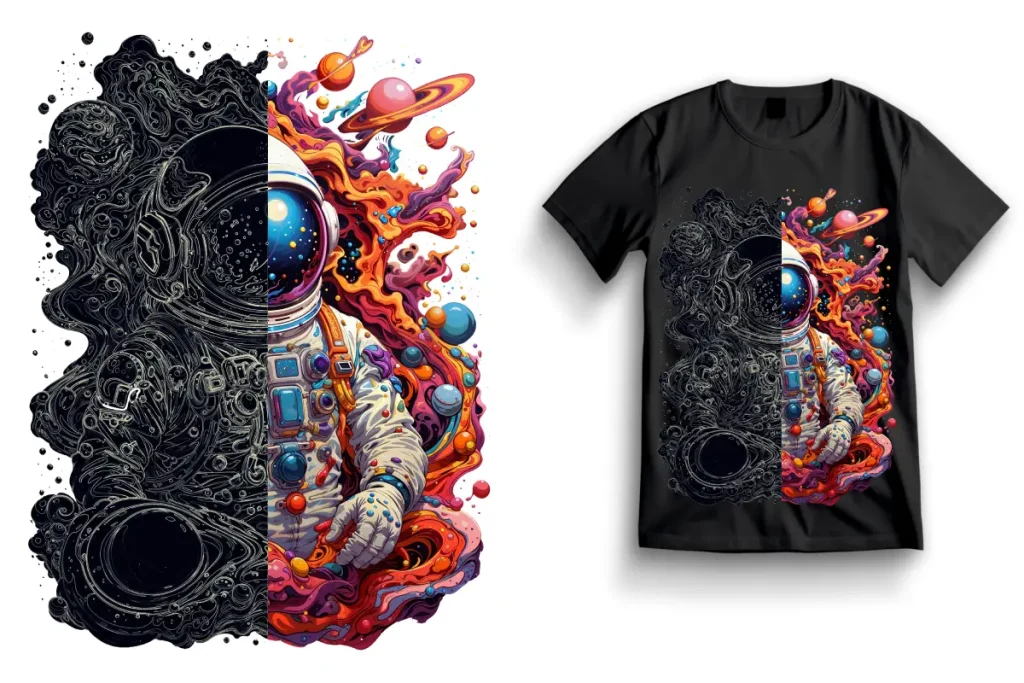
In the vibrant and fast-paced world of custom apparel, small business owners, independent designers, and hobbyists are constantly looking for ways to elevate their products without breaking the bank. The days of being strictly limited by complex screen printing setups or fine-weaving vinyl constraints are gone. Today, dtf transfers have emerged as the ultimate game-changer for the garment decoration industry. This innovative technology allows you to print full-color, intricate designs onto a specialized film and transfer them directly onto almost any fabric imaginable. Whether you are operating from a small home studio or managing a high-volume commercial production line, mastering this method is your ticket to producing retail-ready garments with incredible durability.
However, simply knowing that the technology exists is not enough to achieve flawless results. The custom apparel landscape is highly competitive, and customers expect vibrant colors, crisp details, and a soft-hand feel that lasts through dozens of wash cycles. Achieving that professional standard requires a deep understanding of the equipment, the scientific nuances of the curing process, and the specific application techniques that prevent common issues like peeling or cracking. As an industry leader committed to exceptional textile printing, Harwin DTF has spent years refining these processes to help creators skip the trial-and-error phase and move straight into flawless, profitable production.
The Evolution of Modern Garment Customization
To truly appreciate the value of modern printing methods, it helps to look at where the industry started. Traditional screen printing delivers excellent durability but requires immense preparation, including burning screens, mixing inks, and intensive cleanup. This makes it highly inefficient for short runs or multi-colored, complex designs. Direct-to-garment (DTG) printing solved the color issue but introduced strict limitations regarding fabric compatibility, often requiring high-cotton blends and tedious pre-treatment liquids that add production time and margin for error.
This is precisely where DTF (Direct-to-Film) technology bridges the gap beautifully. By printing directly onto a transparent PET film rather than the garment itself, decorators eliminate the need for fabric pre-treatment entirely. The process utilizes specialized water-based inks and a unique hot-melt adhesive powder that bonds seamlessly to cotton, polyester, nylon, canvas, and even leather. The result is a highly versatile, elastic, and robust print that adapts to the natural stretch of the fabric, ensuring that your custom merchandise looks outstanding and stands up to daily wear and tear.
Step-by-Step Blueprint for Flawless Transfers
Achieving a retail-quality finish is a science that relies heavily on precision, temperature control, and the right sequence of actions. Even minor variations in heat press pressure or pressing time can lead to a sub-optimal bond. To guarantee success on every single batch, follow this professional production blueprint carefully designed by the experts at Harwin DTF.
1. Preparing Your Artwork and Film
Your finished garment can only look as good as your initial digital design. Always ensure that your artwork is created in high resolution, ideally 300 DPI, with a transparent background. When sending the file to your software, remember that the image must be mirrored because it will be pressed facedown onto the fabric. High-quality dtf transfers rely on an accurate white ink underbase layer, which acts as the foundation that makes your colors pop vividly against dark or vibrant colored fabrics.
2. The Powder Application and Curing Phase
Once the specialized film leaves the printer with wet ink, the hot-melt polyamide adhesive powder must be applied evenly across the entire printed area. Gently shake or tap the film to remove any excess powder from the unprinted, transparent areas of the sheet; failing to do this can cause faint speckles or adhesive residue to stick to your garment. The film then goes into a curing oven or under an open heat press. The goal here is to melt the powder completely until it takes on a smooth, orange-peel-like texture. Be careful not to over-cure, as overheated adhesive loses its chemical bonding capabilities.
3. Mastering the Heat Press Application
Before you place the cured film onto your garment, always pre-press the fabric for about 5 to 8 seconds. This crucial step removes any trapped moisture and smooths out wrinkles, both of which can cause air bubbles or premature peeling later on. Position your film carefully on the pre-pressed garment. For standard cotton and poly-blends, set your heat press between 285°F to 320°F (140°C to 160°C) and apply medium to heavy pressure for 10 to 15 seconds. Consistent, even pressure across the entire heat plate is vital for a permanent chemical bond.
4. The Peeling and Post-Pressing Secret
One of the most common mistakes beginners make is rushing the peeling process. Most standard transfer films are cold-peel, meaning you must let the garment cool down entirely to room temperature before removing the plastic liner. Peeling the film while it is still warm can lift the edges of the ink and ruin the crispness of your design. Once the film is removed cleanly, place a sheet of parchment paper or a Teflon sheet over the exposed print and press it one final time for about 5 seconds. This post-press sets the ink deeper into the textile fibers, eliminates the plastic gloss shine, and gives the garment that coveted, soft-hand feel that customers love.
Why Local Accessibility Matters for Businesses
In the print-on-demand and custom apparel industries, time is literally money. Running out of supply mid-production or waiting weeks for an international shipment to arrive can cause missed deadlines, unhappy clients, and lost revenue. This logistical reality explains why more creators are actively looking for reliable dtf transfers near me to establish a seamless, reliable supply chain. Working with a domestic or local supplier provides peace of mind, rapid turnaround times, and significantly lower shipping costs.
When you partner with a trusted provider within your region, you gain a massive competitive advantage. You can accept last-minute, urgent rush orders from local corporate clients, sports teams, or event planners, knowing you can acquire your custom films in a matter of days or even hours rather than weeks. Additionally, local sourcing simplifies quality control, allowing you to sample and test prints quickly before committing to large-scale, high-volume production runs.
The Rising Demand for Quality Custom Prints in Texas
The custom apparel market in Texas is expanding rapidly, driven by booming local businesses, school sports leagues, community events, and thriving independent streetwear brands. Within this highly active market, securing the best dtf transfer at Houston has become a top priority for businesses that refuse to compromise on visual clarity and wash durability. Printers in the region need transfers that can handle intricate logos, micro-text, and gradient color scales flawlessly.
Furthermore, climate conditions play a surprising role in garment production. High humidity levels can affect how adhesive powders behave and how fabrics retain moisture. Sourcing a premium Houston dtf transfer guarantees that the products you are using have been engineered and tested to perform beautifully under local environmental conditions. At Harwin DTF, we pride ourselves on delivering industrial-grade films and vibrant inks that withstand the test of time, helping Texas businesses maintain their reputation for exceptional quality.
Troubleshooting Common Printing Mistakes
Even with advanced technology, decorators can occasionally run into minor production hurdles. Understanding how to diagnose and fix these issues quickly will save you time, materials, and money. Here is a quick reference guide to help keep your production flowing smoothly:
- Design is Peeling or Lifting: This is almost always caused by insufficient heat press pressure, low temperature, or peeling a cold-peel film before it has completely cooled down. Check your press alignment and increase pressure slightly.
- Cracking After Washing: If the design splits or cracks after a single wash, the adhesive powder may have been under-cured before pressing, or the garment was washed in harsh conditions. Always advise clients to wash custom garments inside out in cold water.
- Color Bleeding or Migration: This happens most frequently when pressing light-colored designs onto dark 100% polyester fabrics. The polyester dyes heat up and gas through the ink. To prevent this, use a lower pressing temperature or a specialized anti-migration powder block.
- Bubbles or Pitting in the Ink: This occurs when moisture is trapped inside the garment fabric during the press. Never skip the initial 5-second pre-press step to fully dry out the textile before placing the film.
Frequently Asked Questions
How long do these types of prints last on a garment?
When properly applied using high-quality components and correct heat press settings, these prints can easily last between 50 to 60 domestic wash cycles before showing any noticeable signs of fading or wear. To maximize longevity, we highly recommend washing the garments inside out in cold water and tumble drying on low heat or line drying.
Can I apply these transfers to 100% polyester activewear?
Yes, absolutely. One of the greatest strengths of this printing method is its multi-fabric versatility. Unlike screen printing or DTG, it applies beautifully to 100% polyester, synthetic athletic blends, and nylon. Because polyester is prone to dye migration, we recommend lowering your heat press temperature to around 275°F to 285°F and using a premium film with a dark underbase or anti-migration adhesive powder.
What is the difference between hot-peel and cold-peel films?
The difference lies entirely in the chemical formulation of the release layer on the PET plastic film. Hot-peel films allow you to remove the plastic sheet immediately after the heat press lifts, speeding up high-volume commercial production. Cold-peel films require the garment to cool completely to room temperature before removal. Cold-peel generally offers a sharper edge detail and a more reliable bond for intricate or fine-line designs.
Do I need a special iron or a commercial heat press to apply them?
While a standard household iron can technically melt the adhesive powder, it cannot provide the perfectly uniform heat or the heavy, consistent pressure required to create a permanent commercial bond. For professional, long-lasting results that will not peel in the wash, we strongly recommend using a dedicated, flat-bed swing-away or clamshell heat press machine.
Elevate Your Custom Apparel Production Today
Navigating the evolving landscape of custom apparel design requires tools and materials that match your ambition. Embracing the power of advanced film technology allows your business to offer stunning color depth, unrivaled stretchability, and incredible efficiency across both short-run custom projects and massive bulk orders. By avoiding common production shortcuts and sticking to precise temperature and pressure protocols, you ensure that every product leaving your shop reflects true craftsmanship. Partnering with Harwin DTF means you gain access to top-tier, reliable materials designed to bring your creative visions to life flawlessly. Explore our premium selection today and give your clients the retail-quality garments they deserve.