
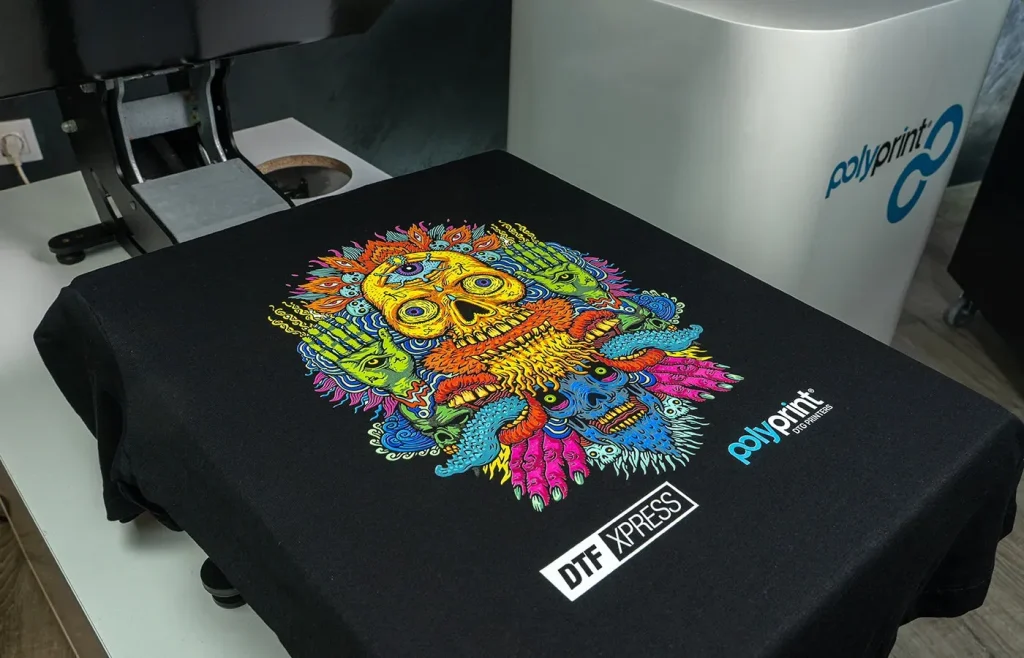
DTF printing, or Direct-to-Film printing, is transforming the t-shirt printing landscape with its innovative technology. This cutting-edge method simplifies the creation of vibrant, intricate designs that breathe life into custom apparel, setting it apart from traditional printing techniques such as screen printing and direct-to-garment (DTG) options. By utilizing eco-friendly inks and advanced digital processes, DTF printing not only enhances the quality of printed materials but also aligns with the growing demand for sustainable fashion solutions. As businesses strive to meet consumer desires for unique, personalized items, DTF opens the door to new creative opportunities and efficiency that the market has never seen before. Join us as we explore how DTF technology is reshaping the future of t-shirt printing and positioning itself as a preferred choice for innovative brands.
Direct-to-Film printing, often abbreviated as DTF printing, has recently emerged as a revolutionary technique within the realm of custom garment decoration. This process allows for the application of detailed and colorful graphics on a variety of fabric types, surpassing the capabilities of conventional printing methods like screen and direct-to-garment techniques. By offering rapid production times and the flexibility to handle multiple fabrics, DTF becomes the go-to solution for businesses seeking to capitalize on today’s trend of personalized apparel. Moreover, the use of environmentally-friendly inks in DTF processes appeals to the eco-conscious demographic, signaling a shift toward greener practices in the printing industry. Embracing this modern approach not only meets the evolving demands of consumers but also enhances the overall creative potential in custom apparel design.
Understanding DTF Printing Technology
Direct-to-Film (DTF) printing technology has emerged as a revolutionary method in the realm of t-shirt printing. Unlike traditional methods, DTF printing utilizes a specialized film to transfer vibrant ink designs directly onto fabric. This technology allows for intricate, high-resolution designs that can be applied to a variety of materials, breaking down the barriers faced by screen printing and direct-to-garment (DTG) printing. By merging advanced digital printing techniques with efficient film applications, DTF provides an impressive level of clarity and durability that can elevate any piece of custom apparel.
Moreover, DTF printing opens up new horizons for creativity and customization within the fashion industry. Designers are no longer constrained by the limitations of other printing methods; they can produce multicolor and complex designs that previously required extensive setup and preparation times. This decrease in limitations allows for greater experimentation and innovation in designs, catering to a growing market that seeks personalized apparel.
The Benefits of DTF vs. Traditional Printing Methods
When comparing DTF printing to traditional methods such as screen printing, it becomes evident that DTF offers a host of advantages. One of the most significant benefits is its cost-effectiveness, particularly for small to medium-sized orders. Screen printing often incurs high setup costs and is not cost-efficient for designs with multiple colors. In contrast, DTF allows businesses to quickly transfer designs, eliminating excessive initial costs while maintaining high-quality outcomes. This efficiency ensures that businesses can remain competitive by fulfilling custom orders without incurring a financial burden.
Additionally, while screen printing can be limited by the type of fabrics that can be printed on, DTF technology shines with its versatility. Whether it’s cotton, polyester, or blends, DTF can provide stunning prints that maintain vibrant colors even on dark fabrics. As a result, apparel companies can offer a wider range of products, expanding their market reach and fulfilling diverse customer needs without the need for multiple printing setups.
DTF Printing and Environmental Sustainability
As awareness about environmental issues grows, the apparel industry is faced with the challenge of adopting more sustainable practices. DTF printing stands out in this regard, primarily due to its use of eco-friendly inks. Unlike traditional plastisol inks that release harmful emissions during the printing process, DTF inks are predominantly water-based, significantly reducing environmental impact. This eco-conscious approach not only helps brands to align with sustainability trends but also attracts a customer base that is increasingly prioritizing environmentally friendly options.
Furthermore, the DTF printing process allows for more efficient production runs, which means less waste generated overall. By minimizing resource usage during the printing and transferring phases, brands can enhance their sustainability credentials. This commitment to environmental responsibility positions businesses not only as suppliers of custom apparel but also as advocates for a greener future in fashion.
Market Trends Boosting DTF Adoption
The market for custom apparel has seen a significant shift towards personalized designs, bolstered by advancements in DTF printing technology. Businesses are eagerly integrating DTF into their offerings to capitalize on the growing demand for unique, one-of-a-kind pieces that reflect consumer individuality. As customers increasingly seek personalized products, DTF’s ability to produce intricate designs at a low cost has made it a go-to solution for many custom apparel companies.
Moreover, the integration of DTF printing with e-commerce platforms offers additional convenience. Businesses can now offer customers the option to create custom designs online, driving sales and fostering a direct connection between consumers and brands. This trend signifies a broader movement in the apparel industry towards digital solutions and personalized shopping experiences, solidifying DTF’s essential role in the future of t-shirt printing.
Advancements in DTF Technology and Future Implications
The evolution of DTF technology is far from complete; continuous advancements are set to enhance the quality and efficiency of this printing method. Manufacturers are investing in research and development to improve printer designs, ink formulations, and heat transfer methods, paving the way for even more remarkable improvements. As these innovations unfold, DTF printing is expected to become the mainstay of the t-shirt printing industry, characterized by unmatched quality and reliability.
These advancements not only promise to expand the capabilities of DTF but also ensure that businesses can keep pace with changing consumer preferences. As newer techniques are developed, the possibilities for creative designs and sustainable printing practices will broaden, allowing companies to maintain a competitive edge in the rapidly evolving apparel market.
Why Choose DTF for Custom Apparel?
Choosing DTF printing for custom apparel comes with a multitude of benefits that ensure high-quality results and customer satisfaction. For small brands and start-ups, the technology reduces barriers to entry in the custom apparel market. The ability to produce unique designs on-demand means that businesses can respond quickly to consumer trends and preferences, offering products that resonate with their target audience.
Additionally, DTF’s adaptability to various fabric types means that brands are not restricted in their garment choices. From t-shirts and hoodies to bags and other textiles, DTF printing’s versatility allows for a broader range of products. This flexibility is essential for brands seeking to establish themselves in the competitive apparel landscape.
Frequently Asked Questions
What is DTF printing and how does it differ from other printing methods like screen printing?
Direct-to-Film (DTF) printing is a modern technique that uses a special film to transfer designs onto fabrics, offering high-resolution prints with vibrant colors. Unlike screen printing, which requires setup for every color layer, DTF streamlines the process, allowing complex designs to be produced efficiently and cost-effectively.
Can DTF printing be used on all types of fabrics?
Yes, DTF printing is highly versatile and can be used on a wide array of fabric types including cotton, polyester, and blends. This adaptability is one of the key advantages of DTF over traditional methods like direct-to-garment (DTG) printing, which may struggle with certain fabric compositions.
What are the advantages of using DTF printing for custom apparel?
DTF printing offers several benefits for custom apparel, including high-quality prints, quicker production times, and cost-effectiveness for small to medium orders. It also supports intricate and colorful designs, making it an excellent choice for businesses that want to stand out in the competitive custom apparel market.
Is DTF printing environmentally friendly?
Yes, DTF printing utilizes eco-friendly inks, often water-based, reducing harmful emissions compared to traditional plastisol inks used in methods like screen printing. This makes DTF a more sustainable choice for brands looking to minimize their ecological footprint while still delivering high-quality products.
How has DTF printing impacted the t-shirt printing industry?
DTF printing is reshaping the t-shirt printing industry by providing businesses with the ability to produce high-quality, customized apparel quickly and affordably. Its popularity is increasing due to the rising demand for unique, personalized products, which traditional methods struggle to accommodate.
What are the future trends for DTF printing in the custom apparel market?
As DTF technology continues to evolve, we can expect enhancements in printer designs and ink formulations that improve quality and durability. This will further embed DTF printing in e-commerce, attracting consumers seeking unique custom apparel, while also driving innovation within the t-shirt printing industry.
| Key Points | Details |
|---|---|
| Introduction | DTF printing is a significant technological advancement in t-shirt printing, allowing for intricate designs and vibrant colors on various fabrics. |
Summary
DTF printing is revolutionizing the t-shirt printing industry by providing unparalleled quality and versatility in fabric printing. This innovative method allows for high-resolution prints that exhibit vivid colors and durability on a wide range of fabrics, making it an ideal choice for businesses that seek to offer customized apparel. Additionally, DTF printing is a cost-effective solution that streamlines the printing process, reducing production times significantly, which is vital for meeting the demands of today’s fast-paced market. As consumer preferences shift towards eco-friendly options, DTF inks, often water-based, not only support a more sustainable printing process but also cater to environmentally conscious consumers. With ongoing advancements in DTF technology, businesses are poised to capitalize on the increasing demand for personalized and unique designs. Embracing DTF printing is essential for companies aiming to stay competitive in the dynamic landscape of the apparel industry.