
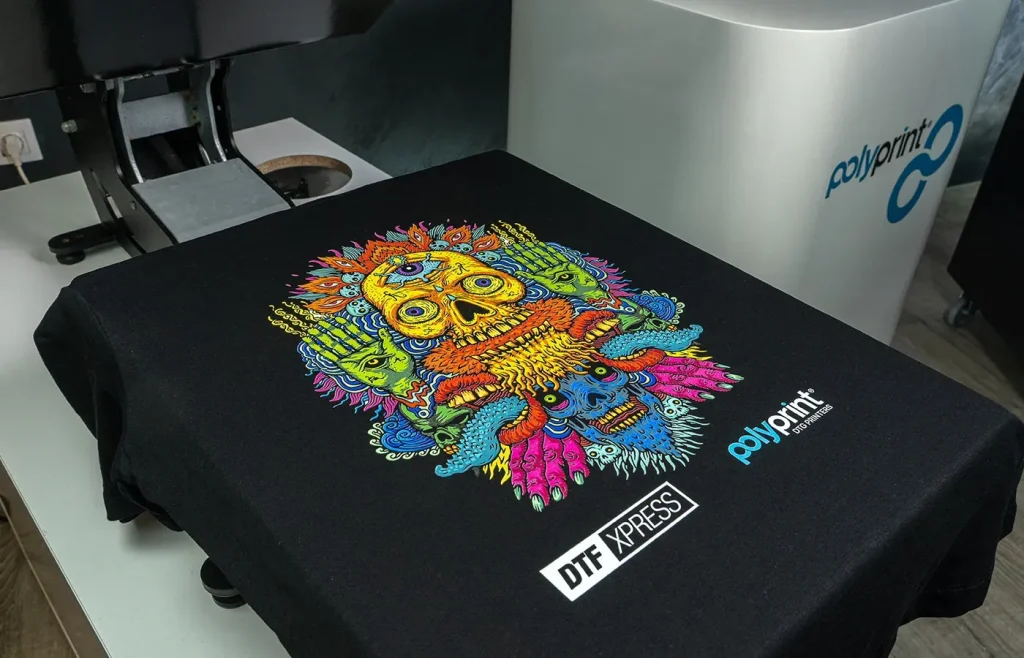
DTF printing, or Direct to Film printing, is swiftly emerging as a transformative technology in the printing industry, revolutionizing how businesses approach customization and production. Unlike traditional printing methods that can be limited by material and design constraints, DTF printing offers exceptional versatility and high-quality results across a broad spectrum of fabrics. As businesses explore the benefits of DTF printing, many are comparing it to conventional techniques like screen printing, particularly in terms of print quality comparison and efficiency. This innovative approach not only enhances color vibrancy but also significantly shortens production time, catering to the increasing demands for rapid turnarounds. In this informative guide, we will delve into the various aspects of DTF printing, including its advantages over traditional methods, helping entrepreneurs make the best decision for their printing needs.
Direct to Film printing (DTF) is making waves in the realm of contemporary printing technologies, drawing attention for its innovative process and adaptability. This method allows for quick transfers onto numerous surfaces, breaking the limitations often faced by established processes like screen printing and heat transfer vinyl (HTV). Entrepreneurs and businesses are increasingly curious about the advantages of DTF printing, especially regarding its enhanced print quality and efficiency. The discussion around DTF vs screen printing is gaining traction as more companies seek to understand which printing technology best suits their operational requirements. By understanding the unique attributes of DTF, businesses can better align their production strategies with market demands.
Understanding DTF Printing Technology
Direct to Film (DTF) printing is a cutting-edge technique that simplifies the process of transferring vivid images onto varied materials. Instead of traditional processes, where inks are applied directly to a substrate, DTF printing involves printing designs onto a special film which is then heat-pressed onto fabrics. This innovative method enables the use of vibrant inks that can adhere to different fabric types, making it incredibly versatile for various applications, from apparel to promotional items.
The technology utilizes a CMYK+W color system, ensuring that prints feature a rich spectrum of colors that can bring any design to life. This contrasts sharply with older methods like screen printing, where color mixing can sometimes lead to muted outcomes. As a result, businesses that adopt DTF printing can offer their clients superior print quality, with intricate details and gradients that traditional methods struggle to replicate.
Frequently Asked Questions
What is DTF printing and how does it differ from traditional printing methods?
DTF printing, or Direct to Film printing, is a modern technique that transfers ink directly onto a special film which can then be applied to various surfaces, particularly fabrics. Unlike traditional printing methods such as screen printing or heat transfer vinyl (HTV), DTF offers greater versatility in fabric compatibility and supports intricate, multi-color designs with superior print quality.
What are the benefits of DTF printing compared to screen printing?
DTF printing provides several advantages over screen printing, including enhanced color vibrancy, the ability to print on diverse fabric types, and faster production speeds. While screen printing often requires extensive setup and drying time for each design, DTF printing allows for nearly instantaneous production, making it highly efficient for businesses looking to scale.
How does print quality comparison between DTF printing and traditional methods like sublimation?
When comparing print quality, DTF printing generally excels by delivering richer colors and sharper contrasts than sublimation. DTF’s use of a CMYK+W color system ensures that prints maintain vibrancy even on dark fabrics, something sublimation can struggle with. As a result, DTF can produce higher-quality visuals, particularly for detailed and colorful designs.
What types of fabrics are compatible with DTF printing?
DTF printing is compatible with a wide variety of fabrics including cotton, polyester, and blends, making it a versatile choice for businesses. Unlike traditional methods, which may be limited to specific fabric types (such as sublimation requiring polyester), DTF can cater to a broader audience by accommodating diverse fabric needs.
Is there a learning curve when transitioning to DTF printing from traditional methods?
Yes, transitioning to DTF printing may involve a learning curve. Business owners and their teams will need to become familiar with the technology, equipment, and processes associated with DTF printing. Proper training and resources can significantly enhance the ability to maximize the benefits of this innovative printing method.
What are the initial costs associated with DTF printing compared to traditional printing technologies?
The initial costs of DTF printing may be higher than traditional printing technologies due to the need for specialized equipment and inks. However, many businesses find that the long-term benefits, such as increased production efficiency and improved print quality, can justify the upfront investment, especially as they scale operations.
| Key Point | DTF Printing | Traditional Methods |
|---|---|---|
| Versatility Across Fabric Types | Works well on a wide range of fabrics including cotton, polyester, and blends. | Limited to specific fabric types; sublimation is mainly for polyester. |
| Color Vibrancy and Quality | Utilizes CMYK+W for richer hues and sharp contrasts. | Colors may be muted in comparison, especially with screen printing. |
| Exceptional Print Quality | Handles intricate and multi-color designs effortlessly. | Struggles with fine details and complex graphics. |
| Optimized Production Speed | Nearly instantaneous transfers with modern printers. | Involves more extended drying and curing times. |
| Learning Curve | Requires training for effective use. | More established familiarity in traditional practices. |
| Equipment Costs | Higher initial investment for specialized equipment. | Lower initial costs but may lack modern efficiencies. |
| Substrate Compatibility | High compatibility but may not suit all substrates. | Best suited for specific types of substrates. |
Summary
DTF printing is revolutionizing the way businesses approach their printing needs. This innovative method provides remarkable versatility, enabling prints on a wide variety of fabrics and producing outstanding quality that surpasses many traditional methods. With vibrant colors and exceptional detail, DTF printing offers businesses the opportunity to expand their product lines and cater to diverse customer demands. Despite initial challenges such as equipment investment and a learning curve, the benefits can significantly outweigh the drawbacks, making DTF an attractive option. As print technologies evolve, adopting DTF printing could help businesses maintain competitiveness and adapt to changing consumer preferences.